


How to Design a Backyard That Actually Works for Your Lifestyle
Published: 28/08/2026 | Updated: 28/08/2026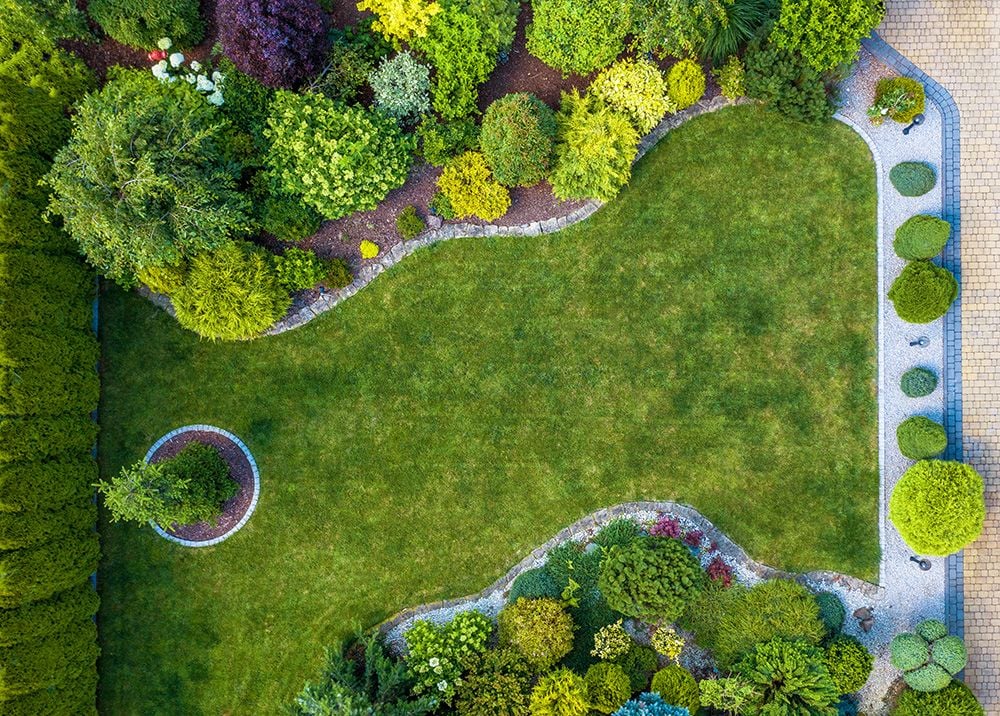
A beautiful backyard is great to look at. But the best backyards do much more than look good.


They give you a comfortable place to relax after work. They make entertaining easier. They give kids room to play, pets room to roam, and gardeners space to grow. They provide privacy where you want it, shade where you need it, and natural pathways that make moving through the space feel effortless.
That's why one of the biggest mistakes homeowners can make when planning a backyard is starting with the question:
"What should I plant?"
A better question is:
"How do I want to use my backyard?"
Once you know the answer, the plants, hardscaping, seating areas, pathways, lighting, and other features can be designed around the life you actually live.
Here's how to approach backyard design from the inside out.
1. Start With How You Want to Use Your Backyard
Before thinking about plants, pavers, pergolas, or patio furniture, make a list of what you want to do outside.
Do you picture yourself:
-
Hosting friends for dinner?
-
Grilling on weekends?
-
Sitting around a fire pit?
-
Reading somewhere quiet?
-
Watching children play?
-
Letting the dog run?
-
Growing vegetables and herbs?
-
Swimming or lounging by a pool?
-
Working outdoors?
-
Enjoying your morning coffee?
-
Watching sports outside?
-
Spending evenings around a fire?
Your answers create the foundation for your backyard layout.
A couple who loves hosting large gatherings needs a very different design from someone who wants a peaceful garden retreat. A young family may prioritize lawn and play areas, while an avid gardener might devote much more space to planting beds.
There is no single "perfect backyard."
The perfect backyard is the one that works for you.
2. Think of Your Backyard as a Collection of Outdoor Rooms
One of the easiest ways to make a backyard feel organized is to divide it into functional zones.
Think about the rooms inside your home.
Your kitchen serves one purpose. Your living room serves another. Your bedroom has another. Yet they are all connected as part of the same home.
Your backyard can work the same way.
For example, one yard might contain:
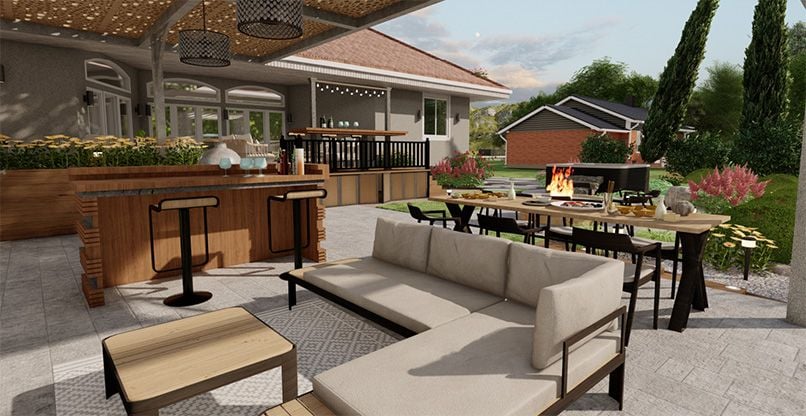
Dining Zone
A patio with a dining table positioned close to the house and kitchen.
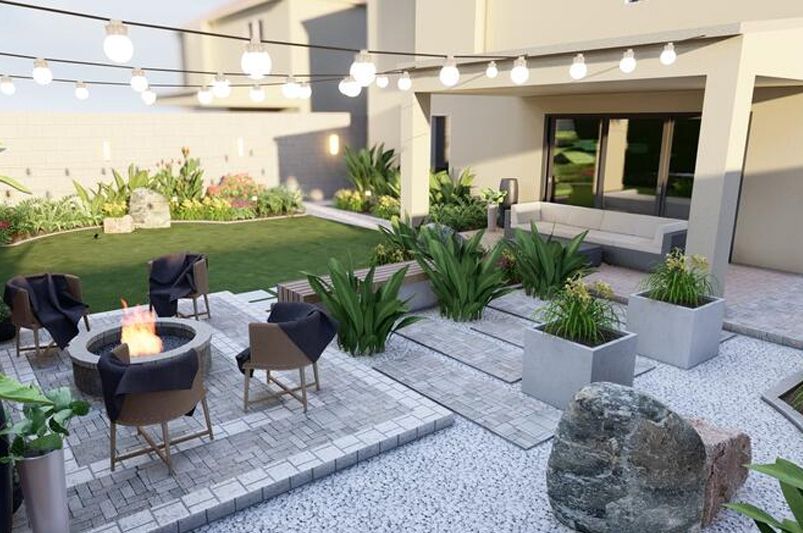
Conversation Zone
Comfortable seating surrounding a fire pit.
Play Zone
Open lawn where children or pets can play.
Garden Zone
Raised beds or planting areas positioned where they receive appropriate sunlight.
Quiet Zone
A small bench or pair of chairs surrounded by plants and screened from neighboring properties.
Each zone has a purpose, but good landscape design connects them visually so the backyard still feels like one cohesive space.
3. Pay Attention to Traffic Flow
Where people walk is just as important as where they sit.
Imagine carrying a tray of food from your kitchen to an outdoor dining table. Do you have a clear route?
Can guests move easily from the patio to the fire pit?
Can someone get from the driveway or side gate to the backyard without walking through a flower bed?
Do children have to run through your entertaining area to reach the lawn?
These little details make a huge difference in how a backyard feels once you begin using it.
Paths don't necessarily need to be formal walkways. Changes in paving, stepping stones, gravel, lawn, or planting can subtly direct movement.
The goal is simple: people should naturally understand how to move through the yard.
4. Put Outdoor Dining Where It Makes Sense
Outdoor dining areas often work best relatively close to the house, especially when they are frequently used for meals.
Think about all the trips you'll make between the kitchen and outdoor table.
Plates.
Drinks.
Utensils.
Food.
Condiments.
And inevitably, the one thing everyone forgot.
A beautiful dining area tucked into the farthest corner of the yard might look fantastic in a photograph, but it may become frustrating if you regularly entertain.
Convenience should be part of the design.
You should also consider afternoon sun, prevailing winds, shade, lighting, and how close the dining area is to grills or outdoor cooking equipment.
5. Design Gathering Spaces Around Conversation
If you want your backyard to become a place where people linger, think carefully about seating arrangements.
A common mistake is placing outdoor furniture around the edges of a patio without considering how people will interact.
Instead, create conversational groupings.
Chairs and sofas should generally feel connected rather than scattered. A fire pit can become a natural focal point. A coffee table or central feature can help define the gathering area.
For larger yards, you might even create multiple seating areas.
One could be the primary entertaining space near the house, while another smaller seating area could be tucked farther into the landscape for quiet conversations.
6. Consider Sun and Shade Before Choosing Locations
A spot that seems perfect at 9 a.m. may feel completely different at 4 p.m.
Spend some time observing how sunlight moves through your yard.
Where is the strongest afternoon sun?
Which areas stay shaded?
Does the house cast a large shadow?
Are mature trees providing valuable shade?
This information affects much more than plant selection.
Imagine creating an elaborate outdoor lounge area that receives intense afternoon sun during the exact hours you'd like to use it.
That's not ideal.
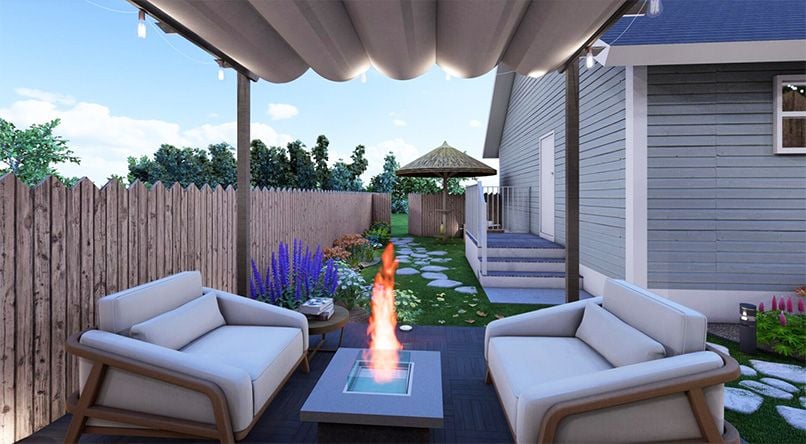
Shade can come from existing trees, new trees, pergolas, umbrellas, shade structures, or other landscape elements. The important thing is to consider comfort before locking in the layout.
7. Make Privacy Part of the Original Plan
Privacy is much easier to design from the beginning than to fix afterward.
Start by identifying exactly where you feel exposed.
Maybe the entire yard doesn't need screening. Perhaps there's one neighboring window overlooking your patio or one section of fence that leaves your pool area exposed.
Strategic screening may solve the problem without making your backyard feel enclosed.
Depending on your property and climate, privacy solutions might include:
-
Trees
-
Evergreen shrubs
-
Hedges
-
Ornamental grasses
-
Trellises
-
Climbing plants
-
Decorative screens
-
Fencing
-
Pergolas
-
Layered planting
Combining several elements can often feel more natural than creating one continuous wall around the property.
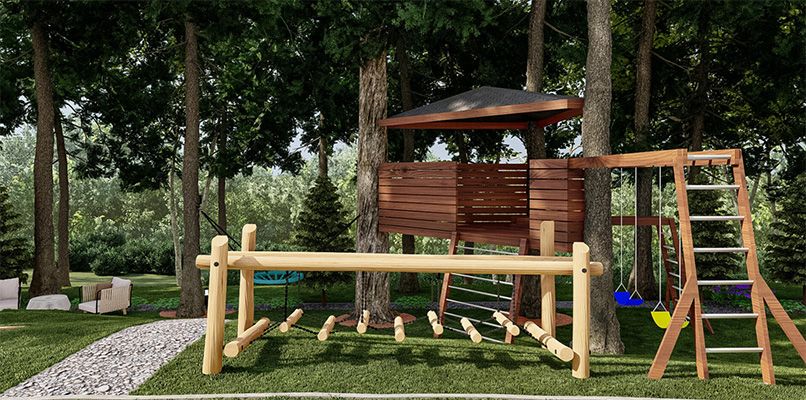
8. Design With Kids and Pets in Mind
A family-friendly backyard doesn't have to look like a playground.
With thoughtful planning, children's and pets' needs can be incorporated into an attractive landscape.
For kids, think about sightlines.
Can you see the primary play area from the house or patio?
For pets, think about movement.
Dogs often establish their own routes around a yard, especially along fences. Ignoring those patterns can result in damaged plants and worn paths.
Plant selection matters too. If children or pets regularly use the yard, research whether the plants you're considering are appropriate for your household.
Durable surfaces, secure boundaries, shade, and open space can all become part of the overall design rather than afterthoughts.
9. Don't Let the Fire Pit Take Over the Yard
Fire pits have become a popular backyard feature, and for good reason. They create an obvious gathering place and can make an outdoor space more inviting during cooler evenings.
But bigger isn't necessarily better.
The fire pit area needs to fit the scale of the yard while leaving adequate room for circulation and seating.
It should also be positioned with safety, local requirements, nearby structures, vegetation, and manufacturer recommendations in mind.
In a smaller yard, a compact fire feature integrated into a seating area may make more sense than sacrificing a large portion of usable space to a standalone fire-pit zone.
10. Balance Hardscape and Landscape
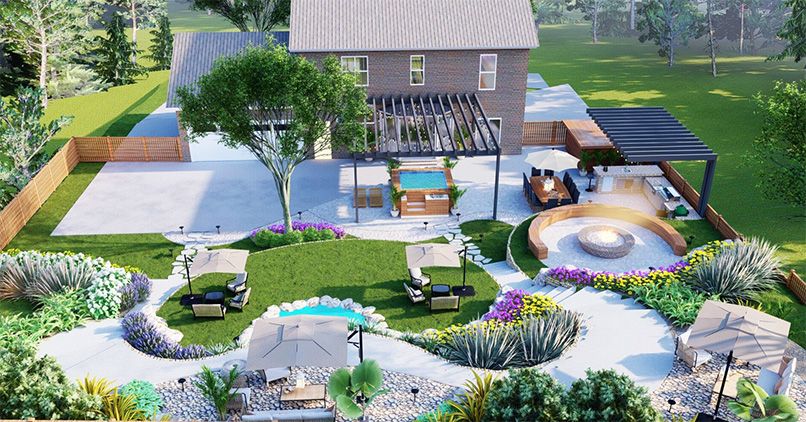
Patios, walkways, retaining walls, outdoor kitchens, pool decks, and other hardscape features create the structure of an outdoor space.
Plants soften that structure and bring the yard to life.
Too much hardscape can make a backyard feel stark and overly paved.
Too little can leave you without enough functional space.
The goal is balance.
Planting beds can soften patio edges. Trees can provide vertical structure over seating areas. Groundcovers can transition between paved surfaces and larger landscape beds.
Thinking about these elements together creates a more cohesive result than designing the patio first and trying to squeeze plants into whatever space remains.
11. Be Realistic About Maintenance
Be honest with yourself.
Do you genuinely enjoy spending Saturday mornings maintaining the yard?
If you do, wonderful. A more elaborate garden may be exactly what you want.
If you don't, design accordingly.
Maintenance preferences should influence everything from lawn size and plant selection to irrigation, pruning requirements, leaf cleanup, and the amount of garden space.
A backyard should enhance your life, not become another obligation you dread.
Low-maintenance doesn't have to mean boring, either.
Thoughtful plant selection, efficient irrigation, mulching, appropriate spacing, and well-planned hardscaping can produce a beautiful landscape without requiring constant attention.
12. Think About What Your Backyard Will Look Like in Five Years
Landscapes aren't static.
Plants grow.
Trees spread.
Shrubs become wider.
Families change.
That cute little shrub at the garden center might eventually occupy several times the space it does today.
Designing around mature plant sizes can help prevent overcrowding, excessive pruning, blocked pathways, and plants covering windows or other features later.
Your lifestyle can change too.
Young children become teenagers. A play area may eventually become an entertaining space. A large lawn might someday become a garden.
You don't have to predict the future perfectly, but building some flexibility into your design can make the backyard useful for much longer.
13. Don't Forget the View From Inside Your Home
Your backyard isn't only something you experience when you're outside.
Look through your windows.
What do you see from the kitchen?
What is visible from the living room?
What do you see when you first wake up?
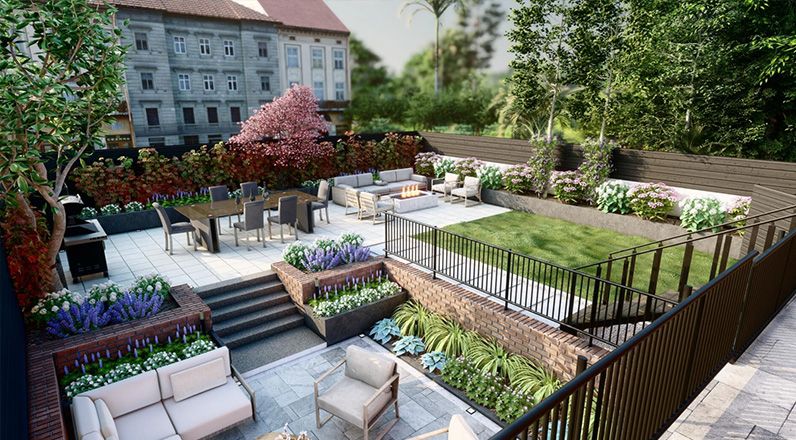
A beautiful specimen tree, flowering garden, fountain, sculpture, or other focal point can be intentionally positioned so you enjoy it from inside the house as well.
This is an often-overlooked part of landscape design that can make the entire property feel more connected.
14. Give Every Major Feature a Reason to Be There
Landscape inspiration is everywhere.
You might see a beautiful pergola online and decide you want one.
Then a fire pit.
Then an outdoor kitchen.
Then a water feature.
Then a vegetable garden.
Then a hot tub.
Before long, you're trying to fit six unrelated ideas into one backyard.
Instead, ask one question about every major feature:
How will we actually use this?
If the answer isn't clear, reconsider whether it deserves space in your design.
A simpler backyard containing four features your family uses constantly is far more successful than an elaborate backyard filled with features that mostly go untouched.
15. Design the Entire Backyard Before Building One Piece of It
You don't necessarily have to install your entire backyard at once.
But it's smart to know what the finished yard should eventually become.
That's an important distinction.
A homeowner might decide to complete a backyard transformation in phases:
Phase 1: Patio and major hardscaping
Phase 2: Trees and structural planting
Phase 3: Outdoor kitchen or fire feature
Phase 4: Additional planting, lighting, and finishing details
When those phases are based on one overall design, each improvement contributes to the finished landscape.
Without a plan, homeowners can end up installing something in year one that has to be moved or removed in year three.
Designing first can help prevent that.
See Your Backyard Before You Build It
One of the hardest parts of planning a backyard is imagining how all these decisions will look together.
A patio may sound great.
So does a fire pit.
And a privacy hedge.
And new planting beds.
But how much space should each one occupy? How should they connect? Will the finished yard feel spacious or crowded?
That's where visual planning can make a major difference.
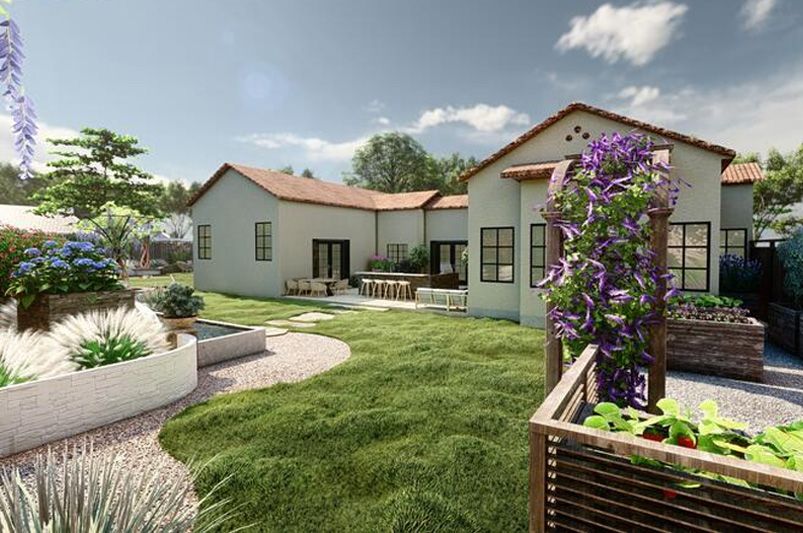
With a custom landscape design, you can evaluate the overall layout before committing to plants, materials, and installation.
A 3D design can help you see how outdoor living areas, hardscaping, plants, pathways, and other features work together — and make adjustments while they're still ideas rather than expensive installations.
Your Backyard Should Be Designed Around You
The best backyard isn't necessarily the one with the most expensive materials, the largest patio, or the trendiest plants.
It's the one you actually use.
A well-designed backyard reflects how you entertain, relax, cook, garden, play, and spend time with the people who matter to you.
So before you start digging, planting, or building, start with your lifestyle.
How do you want to live outside?
Once you answer that question, you can build the yard around it.
Turn Your Ideas Into a Custom Backyard Design With ShrubHub
You know how you want to use your backyard. Now it's time to see how everything can fit together.
ShrubHub's professional landscape designers create custom 3D landscape and hardscape plans based on your property, climate, preferred style, and wishlist — helping you visualize your finished outdoor space before you start making major purchases or beginning installation.
Your design can bring together the elements that matter to you, from outdoor entertaining and privacy to planting areas, pathways, hardscaping, and functional spaces for the whole family.
Your backyard shouldn't just look beautiful. It should work beautifully for the way you live.
Start your custom ShrubHub 3D landscape design and turn your ideas into a plan you can actually bring to life.