


Backyard Privacy Landscaping: 12 Beautiful Ways to Create a More Secluded Outdoor Space
Published: 12/10/2026 | Updated: 12/10/2026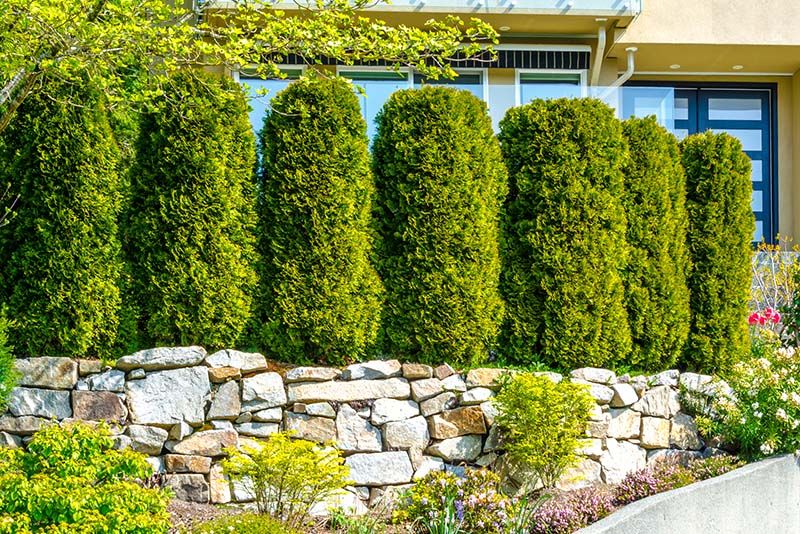
Your backyard should feel like an extension of your home—a place where you can relax, entertain friends, enjoy family time, and escape the demands of everyday life. But when neighboring windows overlook your patio or nearby properties have a clear view of your outdoor living areas, achieving that sense of privacy can be challenging.


Fortunately, creating a secluded backyard doesn't have to mean surrounding your property with tall fences or dense walls of greenery.
Thoughtful backyard privacy landscaping combines trees, shrubs, decorative screens, architectural features, and strategic planting to create an outdoor environment that feels comfortable, beautiful, and inviting.
Whether you're working with a spacious suburban yard, a narrow side garden, or a compact urban patio, the right landscape design can help you establish privacy without sacrificing natural light, airflow, or visual appeal.
At ShrubHub, we believe a well-designed outdoor space should reflect how you want to live. Privacy is an important part of that experience, and it's something worth planning before you begin planting or building.
Here are 12 beautiful backyard privacy landscaping ideas to inspire your next outdoor transformation.
1. Create Year-Round Privacy with Evergreen Trees and Shrubs
Evergreen landscaping is one of the most popular ways to establish natural backyard privacy.
Unlike deciduous plants that lose their leaves seasonally, many evergreen varieties maintain foliage throughout the year, making them useful for screening neighboring properties.
Popular options include:
-
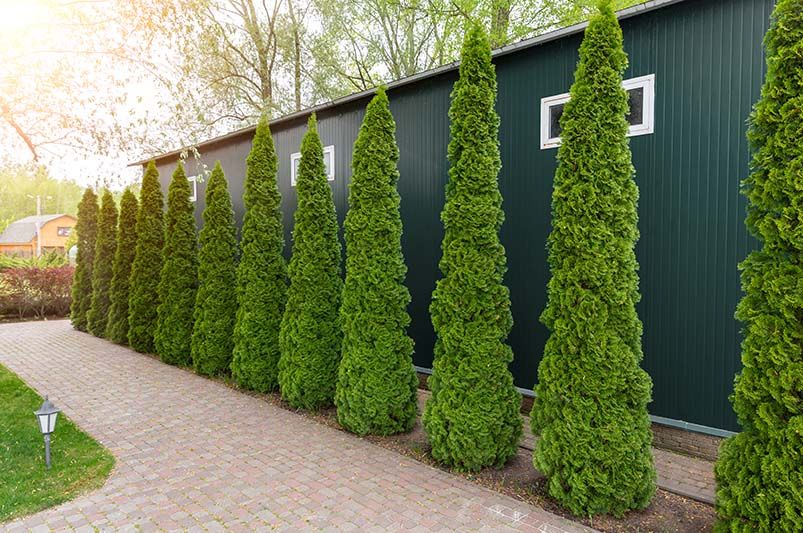
Arborvitae: Often used for dense, upright privacy screens.
-
Holly: Certain varieties provide attractive evergreen foliage and structured growth.
-
Podocarpus: A versatile screening option in suitable warmer climates.
-
Juniper: Upright varieties can provide screening in relatively narrow spaces.
-
Wax myrtle: An adaptable screening shrub in regions where it grows well.
The key is choosing plants suited to your local climate, soil, available space, and desired mature height.
For example, a narrow backyard may benefit from upright evergreens that grow vertically without spreading too far into usable space.
A larger property may accommodate staggered groupings of trees and shrubs that create a more natural-looking boundary.
Design tip: Always consider mature plant width, not just height. Overcrowding privacy plants can create maintenance problems and reduce long-term landscape quality.
2. Layer Trees, Shrubs, and Ornamental Grasses for Natural Screening
One of the most visually appealing privacy landscaping techniques is layered planting.
Instead of installing a single row of identical shrubs, combine plants of different heights, textures, and shapes.
For example:
-
Tall evergreen trees establish the background screen.
-
Medium-height flowering shrubs fill the middle layer.
-
Ornamental grasses and perennial plants soften the foreground.
This approach can make a backyard feel more like a thoughtfully designed garden than a space enclosed by a hedge.
Layered planting also creates opportunities for seasonal color and visual interest.
A combination of evergreen structure, flowering shrubs, and ornamental grasses can help a privacy border remain attractive throughout the year.
Best for: Larger backyards, garden-style landscapes, and homeowners who prefer a natural appearance.
3. Use Ornamental Trees to Block Specific Views
Not every backyard requires a complete privacy barrier.
Sometimes the biggest concern is one neighboring window, an elevated deck, or a particular sightline into your outdoor seating area.
Strategically positioned ornamental trees can help interrupt those views while adding character to the landscape.
Depending on climate and growing conditions, options may include:
-
Japanese maples.
-
Crape myrtles.
-
Magnolia varieties.
-
Serviceberry trees.
-
Suitable small evergreen trees.
When selecting ornamental trees for privacy, consider their mature canopy shape, seasonal foliage, and expected height.
Deciduous ornamental trees may provide excellent screening during the growing season but offer less coverage after their leaves fall.
Evergreen varieties may be more appropriate where year-round privacy is important.
Rather than planting trees randomly along a property line, identify the exact view you want to screen and position plants accordingly.
Design tip: A single well-placed tree can sometimes create more useful privacy than an entire row of poorly positioned shrubs.
4. Install Decorative Privacy Screens for Instant Seclusion
Plants take time to grow. If you want immediate privacy, decorative screens can provide a practical solution.
Outdoor privacy screens come in a wide range of materials and styles, including:
-
Wood slat panels.
-
Powder-coated metal screens.
-
Decorative composite panels.
-
Lattice structures.
-
Freestanding garden partitions.
These features can create defined outdoor spaces without requiring extensive landscaping.
For example, a horizontal wood screen behind an outdoor sofa can establish a comfortable seating area while complementing a modern patio design.
Decorative metal panels can introduce patterns, shadows, and architectural interest.
For a softer appearance, combine screens with climbing plants or ornamental grasses.
Before installation, check local zoning rules, property setbacks, HOA requirements, and any applicable height restrictions.
Best for: Patios, outdoor dining spaces, small yards, and homeowners seeking immediate screening.
5. Add a Pergola for Privacy and Outdoor Comfort
Pergolas are often associated with shade, but they can also contribute to backyard privacy.
A thoughtfully positioned pergola can help define an outdoor living area and create opportunities for screening from neighboring properties.
Privacy-enhancing pergola features may include:
-
Side-mounted privacy panels.
-
Outdoor curtains.
-
Adjustable louvers.
-
Trellis sections.
-
Climbing plants suited to the structure.
A pergola positioned near a patio or outdoor dining area can make the space feel more intimate without enclosing the entire backyard.
However, traditional open-roof pergolas provide limited overhead privacy on their own.
If neighboring second-story windows overlook your yard, you may need additional overhead screening or a more substantial covered structure.
Design tip: Consider sun exposure, wind direction, structural requirements, and neighboring sightlines before deciding where to place a pergola.
6. Create Height with Raised Planters
Raised planters are an excellent solution when you need privacy but have limited planting space.
By elevating shrubs, grasses, or small trees, planters can increase the effective height of a privacy screen without relying entirely on plant growth.
This works particularly well for:
-
Small urban patios.
-
Narrow backyard boundaries.
-
Outdoor dining areas.
-
Poolside seating.
-
Contemporary landscape designs.
Long rectangular planters can create a clean, architectural appearance.
For a softer look, combine raised beds with flowering shrubs or ornamental grasses.
Keep in mind that raised planters require sufficient soil volume, drainage, and appropriate plant selection.
Larger plants may also need structural support and adequate root space.
Best for: Homeowners who want attractive privacy screening without sacrificing too much usable yard space.
7. Incorporate Ornamental Grasses for Soft, Seasonal Privacy
Ornamental grasses can add movement, texture, and a relaxed appearance to backyard privacy landscaping.
Their upright growth habits make certain varieties useful for screening patios, pathways, and seating areas.
Depending on your region, suitable options may include:
-
Switchgrass.
-
Feather reed grass.
-
Muhly grass.
-
Selected Miscanthus varieties where noninvasive cultivars are permitted and appropriate.
Ornamental grasses work especially well when combined with more permanent screening elements.
For example, a decorative fence paired with tall grasses can feel less rigid and more integrated into the surrounding landscape.
One important consideration is seasonality.
Many ornamental grasses are cut back annually or become less dense during winter, so they may not provide consistent year-round privacy.
Design tip: Use ornamental grasses to soften views and create visual separation rather than relying on them as your only permanent privacy barrier.
8. Design a Secluded Outdoor Dining or Lounge Area
Sometimes the smartest privacy solution is to focus on one specific area rather than the entire property.
If your primary goal is enjoying dinner outdoors without feeling overlooked, you may only need screening around your dining space.
A private outdoor lounge can combine:
-
Comfortable seating.
-
Strategic shrub placement.
-
Decorative privacy panels.
-
Raised planting beds.
-
Pergola structures.
-
Soft landscape lighting.
Positioning these elements together creates a defined outdoor room.
This approach can also help preserve open lawn areas, garden views, and natural light elsewhere in the backyard.
Think about how you use your outdoor space most often.
Would privacy make the biggest difference around your morning coffee spot, outdoor kitchen, pool deck, or evening entertainment area?
Start there.
Best for: Homeowners who want meaningful privacy improvements without redesigning every part of their backyard.
9. Combine Fencing with Strategic Landscaping
A traditional fence can provide immediate separation between properties, but fencing alone doesn't always create the most attractive outdoor environment.
Combining a fence with landscaping can improve both privacy and visual appeal.
For example, a simple wood privacy fence can become the background for:
-
Flowering shrubs.
-
Evergreen plantings.
-
Climbing vines on suitable supports.
-
Ornamental grasses.
-
Decorative garden beds.
This layered approach helps soften hard boundaries and makes the landscape feel more intentional.
Fencing can also provide screening while plants establish themselves.
When choosing materials, consider durability, maintenance, neighborhood regulations, and the architectural style of your home.
Design tip: Rather than treating the fence and landscaping as separate projects, plan them together so plant spacing, irrigation, and maintenance access work with the finished design.
10. Use Trellises and Climbing Plants for Vertical Privacy
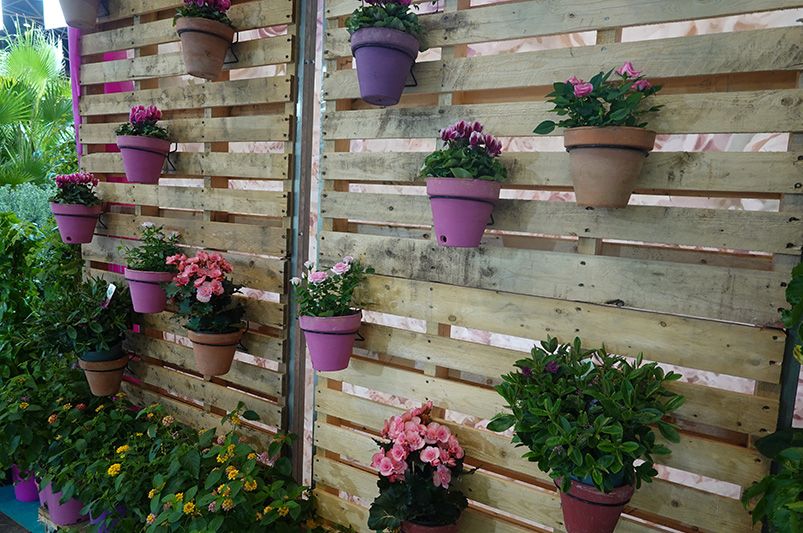
Vertical landscaping is especially useful when backyard space is limited.
Trellises, arbors, and climbing structures allow plants to grow upward instead of occupying large areas of ground space.
Depending on your climate and the structure involved, climbing plants may include:
-
Star jasmine.
-
Clematis.
-
Honeysuckle species appropriate to the region.
-
Climbing roses.
-
Selected native vines.
These plants can create attractive screens along patios, walkways, and garden boundaries.
Some varieties offer seasonal flowers or fragrance, adding another dimension to the landscape.
However, growth rates, maintenance requirements, and mature weight vary significantly.
Choose a support structure suitable for the plant, and avoid allowing vigorous vines to damage siding, gutters, or other building materials.
Also check whether a species is invasive in your area before planting.
Best for: Small backyards, narrow side yards, and homeowners who want greenery without large hedges.
11. Create Privacy in Small Backyards with Smart Layouts
Small yards present unique challenges.
A tall hedge or oversized privacy wall can make a compact outdoor space feel even smaller.
Instead, use a combination of targeted screening and thoughtful layout decisions.
Consider these approaches:
Position seating strategically. Moving a patio table or lounge area away from direct neighboring sightlines may reduce the amount of screening needed.
Use narrow-growing plants. Upright evergreens and carefully selected shrubs can provide screening without occupying excessive space.
Create visual focal points. A water feature, specimen tree, or decorative planting arrangement can draw attention inward and make the space feel more inviting.
Combine multiple functions. Built-in benches with integrated planters or privacy panels can conserve space.
Preserve natural light. Avoid placing tall, dense screening where it would unnecessarily shade the entire yard.
The goal is to create privacy without making the landscape feel confined.
A professionally planned layout can help homeowners compare screening options before investing in materials or plants.
12. Visualize Your Backyard Privacy Design Before You Build
One of the biggest challenges with privacy landscaping is imagining how everything will look once the plants mature and the structures are installed.
Will those evergreen trees block the view you want to hide?
Will a pergola make your patio feel comfortable or crowded?
Could a privacy screen reduce too much natural light?
These are important questions to answer before beginning construction or purchasing plants.
A thoughtful landscape design should consider:
-
Property dimensions and layout.
-
Existing trees and structures.
-
Neighboring sightlines.
-
Mature plant sizes.
-
Sunlight and shade patterns.
-
Outdoor living priorities.
-
Maintenance preferences.
-
Overall project budget.
This is where professional landscape planning can be especially valuable.
With ShrubHub's online landscape design services, homeowners can explore customized outdoor design concepts using 3D landscape visualizations.
Instead of relying entirely on imagination, you can better understand how screening plants, patios, pathways, and outdoor structures may work together in your space.
While visualizations cannot guarantee future plant growth or exact privacy coverage, they can help you make more informed design decisions.
Design tip: Plan for how your landscape will function at installation and as plants mature. A successful privacy design should work over time, not just look attractive on planting day.
How to Choose the Right Backyard Privacy Landscaping Solution
With so many options available, choosing the right approach depends on your property and priorities.
Here's a quick comparison to help narrow your choices.
|
Privacy solution |
Main advantage |
Important consideration |
|---|---|---|
|
Evergreen hedges |
Potential year-round screening |
Growth time and maintenance |
|
Ornamental trees |
Targeted screening and beauty |
Canopy shape and seasonal coverage |
|
Decorative screens |
Immediate privacy |
Installation rules and materials |
|
Pergolas |
Defines outdoor living areas |
May require additional side or overhead screening |
|
Raised planters |
Adds height in compact spaces |
Drainage and root space |
|
Ornamental grasses |
Soft texture and movement |
Often seasonal screening |
|
Fencing with plants |
Immediate boundary and natural appeal |
Cost, upkeep, and local regulations |
|
Trellises with vines |
Vertical greenery |
Structural support and pruning |
For many homeowners, the most attractive and functional result comes from combining several methods rather than relying on one.
Common Backyard Privacy Landscaping Mistakes to Avoid
Even a beautiful landscaping concept can fall short if privacy isn't planned carefully.
Planting too close together
It's tempting to install shrubs close together for immediate coverage.
However, overcrowding can create competition for resources, limit airflow, and lead to excessive maintenance as plants mature.
Choosing plants based only on appearance
A beautiful plant isn't necessarily the right privacy plant.
Climate compatibility, mature size, water requirements, and maintenance needs should influence your selection.
Ignoring elevated views
A six-foot fence may block ground-level views while doing little to prevent neighboring second-story windows from overlooking your patio.
Consider the actual sightlines before choosing screening heights.
Blocking too much sunlight
Dense planting can unintentionally shade gardens, lawns, and outdoor living areas.
Balance privacy with the sunlight requirements of your plants and the comfort of your outdoor spaces.
Forgetting long-term maintenance
Fast-growing hedges and vigorous vines may require frequent trimming.
Choose solutions that match the amount of maintenance you're comfortable performing.
Skipping the design phase
Installing plants, fences, and structures without an overall plan can result in awkward spacing, unnecessary expenses, and disappointing privacy coverage.
Planning the complete layout first helps avoid costly changes later.
Frequently Asked Questions About Backyard Privacy Landscaping
What is the best landscaping for backyard privacy?
The best approach depends on your climate, property size, and desired level of screening. Evergreen shrubs and trees can provide natural year-round privacy, while decorative screens and fences offer more immediate coverage. Combining plants with structural features often creates a balanced result.
What is the fastest way to make a backyard private?
Installing an appropriately sized privacy screen or fence generally provides faster coverage than waiting for new plants to grow. Raised planters with established shrubs may also help create immediate visual separation.
What plants are best for blocking neighbors' views?
Evergreen trees and shrubs such as arborvitae, holly, podocarpus, and suitable juniper varieties can be effective in appropriate climates. Ornamental trees may also help block specific sightlines. Plant selection should account for mature height, width, and local growing conditions.
How can I make my backyard private without a fence?
Consider evergreen hedges, ornamental trees, raised planters, pergolas with side screening, trellises, and layered planting beds. These features can provide varying degrees of privacy while creating a natural landscape appearance.
How do I create privacy from second-story neighbors?
Elevated views may require strategically positioned tree canopies, overhead structures, or screening near specific seating areas. A traditional boundary fence alone may not provide enough coverage.
What are the best privacy landscaping ideas for a small backyard?
Narrow-growing evergreen plants, vertical trellises, decorative screens, raised planters, and strategically positioned seating areas can help improve privacy without overwhelming a compact space.
Can landscape design help me plan backyard privacy before installation?
Yes. Landscape design can help evaluate plant placement, screening heights, outdoor structures, and overall layout. Three-dimensional visualizations can make it easier to understand how different privacy solutions may look and function before installation.
Create a Backyard That Feels Like Your Own Private Retreat
A private backyard doesn't have to feel closed off or isolated.
With the right combination of trees, shrubs, decorative screens, pergolas, and thoughtful outdoor living arrangements, you can create a space that feels both secluded and welcoming.
The key is designing around your specific needs.
Maybe you want to enjoy quiet mornings on your patio without neighboring views. Perhaps you're planning an outdoor dining area, upgrading a poolside retreat, or simply looking for ways to make your backyard feel more comfortable.
Whatever your vision, privacy landscaping works best when it's part of a complete outdoor design plan.
At ShrubHub, we help homeowners explore landscape design possibilities through personalized online planning and 3D visualizations.
From strategic planting arrangements to complete backyard transformations, thoughtful design can help you create an outdoor environment that reflects your lifestyle.
Ready to turn your backyard into a more private, beautiful outdoor retreat?
Explore ShrubHub's online landscape design services and start planning a backyard that feels truly your own.