


Fall Landscaping Ideas: 12 Ways to Make Your Yard Look Amazing This Autumn
Published: 14/09/2026 | Updated: 14/09/2026
Fall doesn't have to mean the end of a beautiful landscape.


In fact, autumn can be one of the best seasons to rethink your outdoor space. Cooler temperatures, changing foliage, ornamental grasses, seasonal flowers, warm lighting, and inviting outdoor living areas can completely transform the look and feel of a yard.
The secret is designing for more than just spring and summer.
A well-planned landscape can provide color, texture, structure, and visual interest throughout fall—and well beyond it.
Whether you're planning a complete landscape makeover or simply looking for ways to give your existing yard a seasonal refresh, these 12 fall landscaping ideas can help you create an outdoor space you'll want to enjoy long after summer ends.
1. Build Your Landscape Around Fall Color
When most people think about fall landscaping, colorful foliage immediately comes to mind.
But great fall color doesn't happen by accident.
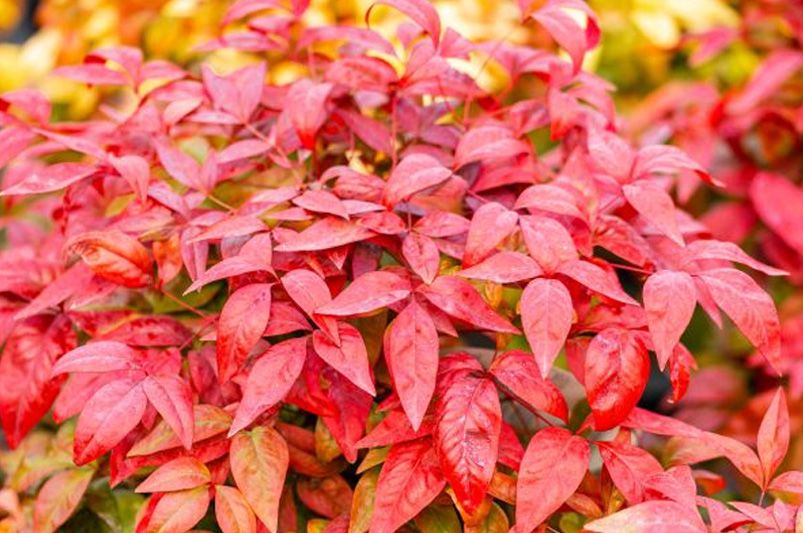
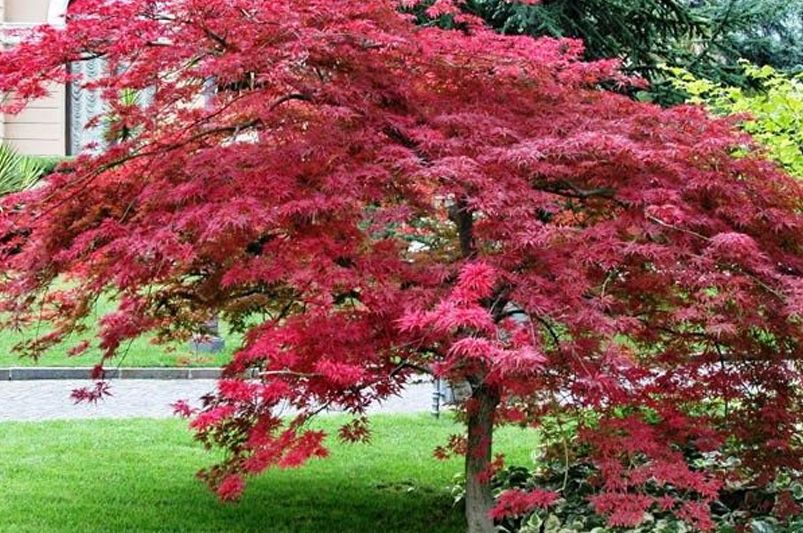
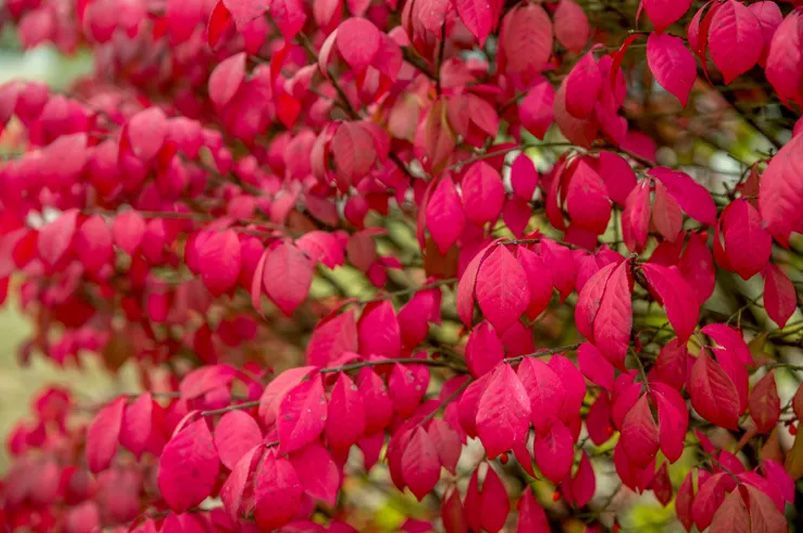
Trees, shrubs, ornamental grasses, perennials, and seasonal plants can all contribute different shades throughout autumn. Depending on your climate and planting zone, your landscape might transition through combinations of:
- Burgundy
- Deep red
- Burnt orange
- Golden yellow
- Bronze
- Copper
- Purple
- Rust
- Deep green
Instead of relying on a single plant for seasonal color, think about layers of fall interest.
A tree might provide the upper canopy of orange or yellow while shrubs introduce burgundy at mid-level and ornamental grasses add gold closer to the ground.
The result feels much more intentional than simply adding a few seasonal flowers near the front door.
2. Use Ornamental Grasses for Movement and Texture
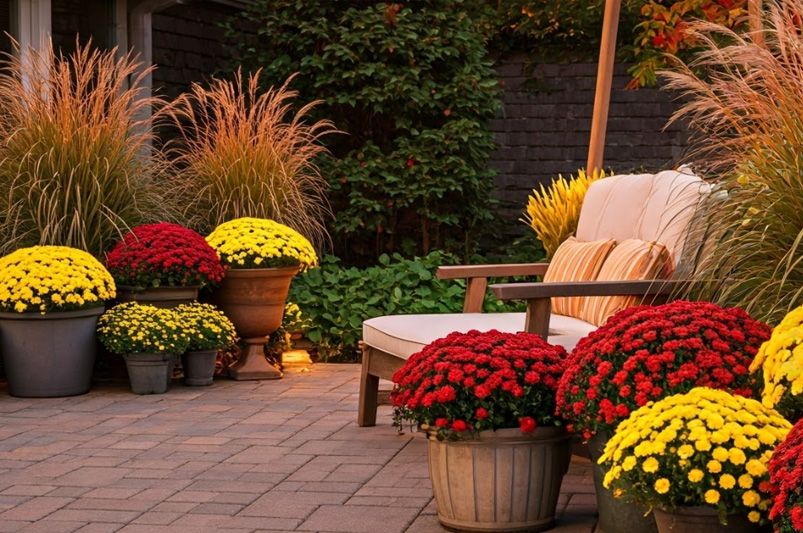
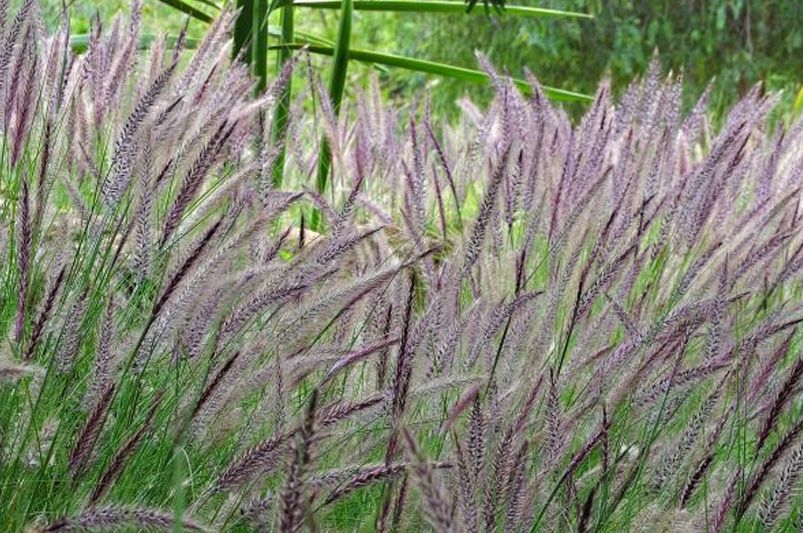
Ornamental grasses are especially beautiful during fall.
As many varieties mature, their foliage and seed heads can develop warm golden, bronze, copper, or reddish tones. They also introduce something color alone can't provide: movement.
When grasses sway in an autumn breeze, they add softness and dimension to the landscape.
Depending on your region, ornamental grasses can work well along walkways, around patios, within mixed planting beds, or as transitions between different landscape areas.
Some can also remain visually interesting into winter.
Rather than cutting everything back as soon as temperatures drop, consider whether certain grasses can remain temporarily to provide structure and texture during the colder months.
3. Add Evergreen Structure
Fall color is beautiful—but a landscape shouldn't rely entirely on plants that lose their leaves.
Evergreens help provide the visual framework that holds a landscape together.
When deciduous trees and shrubs begin dropping their foliage, evergreen plants continue providing shape, texture, and color.
They can be especially useful around:
- Foundations
- Entryways
- Property boundaries
- Patios
- Walkways
- Outdoor living spaces
- Areas visible from inside the home
Think of evergreens as the backbone of a four-season landscape.
Seasonal plants can change around them, while the overall design continues to feel established and intentional.
4. Layer Your Planting Beds
One of the easiest ways to make a landscape look professionally designed is to stop thinking about plants individually and start thinking in layers.
A layered planting bed might include taller trees or large shrubs in the background, medium-height shrubs and grasses through the middle, and smaller perennials or groundcovers toward the front.
This creates depth.
It also gives you more opportunities to incorporate plants that peak during different seasons.
When one plant finishes flowering, another may begin changing color. When leaves eventually fall, evergreen plants or ornamental grasses can continue providing visual interest.
The goal isn't for every plant to be spectacular simultaneously.
It's to create a landscape where something interesting is always happening.
5. Refresh Your Landscape With Seasonal Containers
You don't have to redesign an entire planting bed to make your yard feel different for fall.
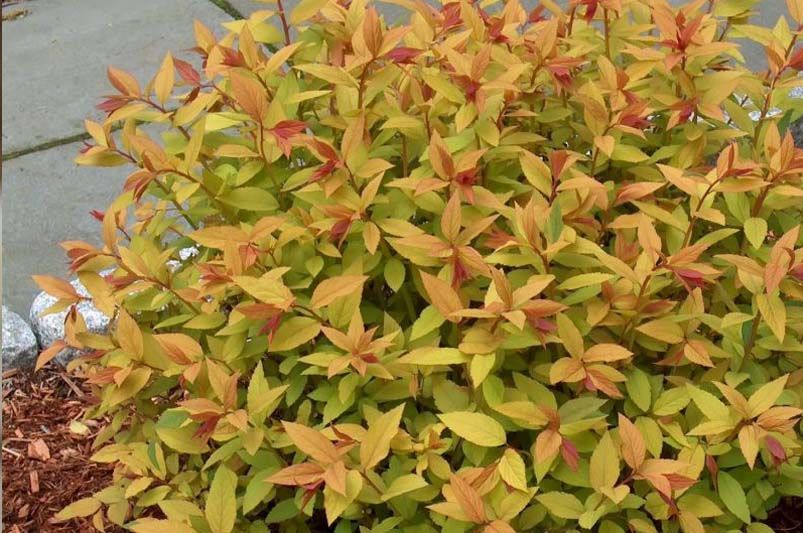
Containers are one of the easiest ways to introduce seasonal color.
Depending on what grows well in your region, fall containers can combine colorful foliage, flowering plants, grasses, trailing plants, and even small evergreen elements.
Instead of placing one small pot beside the door, consider grouping containers of different heights.
A larger central container combined with two smaller pots can create much more visual impact.
Containers are particularly useful around:
- Front entrances
- Porches
- Patios
- Outdoor kitchens
- Seating areas
- Walkways
They're also easy to update as the seasons change.
6. Give Your Mulch a Fall Refresh
Fresh mulch can make an established landscape look dramatically cleaner.
Over time, mulch fades, washes away, gets mixed into soil, and becomes uneven. A refreshed layer can restore contrast around plants while giving planting beds a more finished appearance.
Mulch can also help conserve soil moisture and moderate soil temperatures.
Before adding more, however, check how much is already present.
More isn't automatically better.
Avoid piling mulch directly against tree trunks or shrub stems. Instead, maintain appropriate spacing around plant bases and apply mulch according to the needs of your landscape.
A clean edge around the bed can make the finished result look even better.
7. Make Your Walkways Part of the Design
A walkway shouldn't simply move people from one place to another.
It can become an important visual element within the landscape.
Fall is a great time to notice whether pathways feel disconnected from the rest of your yard.
Consider how plants, lighting, stone, edging, and surrounding landscape features interact with the walkway.
A gently curved path surrounded by layered planting, for example, creates a very different experience from a narrow strip of concrete with empty lawn on both sides.
Depending on your overall design, materials such as natural stone, pavers, gravel, or stepping stones can add texture and character.
The best pathway should feel like it belongs in the landscape rather than simply cutting through it.
8. Use Outdoor Lighting to Extend Fall Evenings
As fall progresses, daylight hours get shorter.
That makes landscape lighting increasingly important.
Strategically placed outdoor lighting can highlight some of the best features of your landscape after sunset while making patios, walkways, and outdoor living areas more inviting.
Instead of trying to flood the entire property with bright light, think about creating layers.
You might illuminate:
- A beautiful tree
- Architectural details
- Walkways
- Stone walls
- Planting beds
- Steps
- Outdoor kitchens
- Seating areas
Warm, thoughtfully placed lighting can completely change the atmosphere of an outdoor space on a crisp autumn evening.
It also allows you to appreciate the landscape from inside your home after dark.
9. Create a Cozy Fall Gathering Area
Your landscape isn't only something to look at.
It's somewhere to live.
Fall weather can be ideal for spending time outdoors, especially when your landscape includes a comfortable place to gather.
That might mean designing a patio around a fire feature, creating a conversation area, adding comfortable seating, or improving the connection between an outdoor kitchen and dining space.
Think about how people actually move through and use the yard.
Can guests easily transition between the house and patio?
Is there enough room around seating?
Does the area feel connected to the surrounding landscape?
Are there plants or structural elements that make the space feel more intimate?
A successful outdoor living area should feel like an extension of the home—not furniture that happened to be placed in the backyard.
10. Add a Fire Feature as a Focal Point
Few outdoor features feel more appropriate for fall than a fire pit or fireplace.
Beyond providing warmth, a fire feature can become a natural gathering point and strong visual anchor within the landscape.
The important part is integrating it into the overall design.
Consider surrounding seating, traffic flow, nearby landscaping, hardscape materials, lighting, and how the area relates to the house.
A fire feature positioned randomly in an unused corner of the yard won't have the same impact as one incorporated into a thoughtfully designed outdoor living area.
Local codes, property conditions, fuel type, placement requirements, and fire-safety considerations should always be evaluated before adding a fire feature.
11. Look Beyond Fall and Plan for Spring
Here's one of the smartest things you can do to improve your fall landscape:
Think about spring.
Landscape design is always several steps ahead.
Depending on your climate and planting zone, fall may be an excellent time for certain planting and landscape projects. It can also be the perfect time to evaluate what worked—and what didn't—during the growing season.
Ask yourself:
Where was the landscape lacking color?
Which areas looked empty?
Did certain plants become too large for their location?
Where would additional shade help?
Were there areas you rarely used?
Did your patio feel too small?
Would additional privacy improve your outdoor space?
These observations can become the starting point for next year's landscape improvements.
Planning now also gives you time to develop a cohesive design instead of making rushed decisions once spring arrives.
12. Design for Four Seasons, Not Just One
Perhaps the biggest fall landscaping lesson is that your yard shouldn't only look good for three months of the year.
A thoughtfully designed landscape considers how the property changes throughout spring, summer, fall, and winter.
That means combining plants and landscape elements that provide different types of interest at different times.
Spring might bring flowers.
Summer may emphasize lush foliage and outdoor living.
Fall introduces foliage color, ornamental grasses, berries, and texture.
Winter shifts attention toward evergreens, branching structures, hardscaping, stonework, lighting, and architectural elements.
When all four seasons are considered during the design process, the landscape doesn't suddenly feel empty when summer ends.
It simply changes character.
How Do You Choose the Right Fall Landscaping Ideas for Your Yard?
Not every idea belongs in every landscape.
The best choices depend on factors such as your USDA Plant Hardiness Zone, regional climate, sunlight, soil, property size, architecture, drainage, existing plants, maintenance preferences, and how you use the space.
Start with your goals.
If your yard feels empty after summer, prioritize plants that provide fall and winter interest.
If your patio doesn't get used, rethink the outdoor living layout.
If the landscape lacks personality, consider stronger focal points, layered planting, lighting, or hardscaping.
If you're constantly maintaining the yard, simplifying the planting design may make more sense than adding additional plants.
Good landscape design isn't about fitting every possible feature into a property.
It's about choosing the right combination of elements for that particular space.
Don't Forget Your Home's Architecture
One of the most overlooked aspects of landscaping is the house itself.
Your home and landscape shouldn't feel like two unrelated projects.
Plant choices, hardscape materials, lines, proportions, colors, and outdoor features can all be selected to complement the architecture.
A contemporary home may look beautiful with clean planting masses, ornamental grasses, geometric hardscaping, and restrained color.
A cottage-style property may call for softer planting beds, curved pathways, and abundant layers of plants.
The objective isn't to follow rigid design rules. It's to create a visual connection between the house and everything surrounding it.
When that relationship works, the entire property feels more cohesive.
Fall Is a Great Time to Look at Your Landscape Differently
It's easy to notice problems with your landscape in fall.
Flowers disappear. Leaves drop. Empty spaces become more obvious. Areas that looked lush in June may suddenly seem unfinished.
But that's useful information.
Fall reveals the underlying structure of your landscape.
If your yard still looks interesting when summer color fades, chances are the fundamental design is working.
If it suddenly feels empty, this may be the perfect opportunity to rethink the space.
Instead of simply asking, “What should I plant here?” consider a bigger question:
What do I want this entire outdoor space to become?
Turn Your Fall Landscaping Ideas Into a Complete Design With ShrubHub
You don't need to guess how individual landscaping ideas will look once they're combined.
ShrubHub's online landscape design service can help you develop a personalized plan for your property, bringing together plants, hardscaping, pathways, outdoor living areas, fire features, lighting, and other landscape elements into a cohesive design.
Whether you're refreshing one part of the yard or envisioning a complete transformation, planning the entire space first can help you make more confident decisions and avoid a patchwork landscape created one project at a time.
Ready to see what's possible for your yard? Get started with ShrubHub and create a landscape design you can build from this fall and throughout the seasons ahead.