


Mulching, Composting & Off-Season Soil Care: Prepare Your Yard for a Lush Spring
Published: 18/11/2025 | Updated: 18/12/2025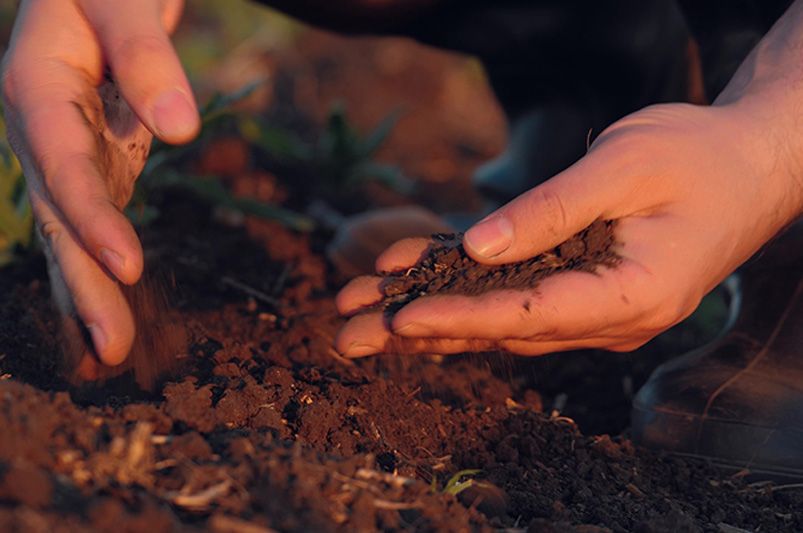
Most homeowners think winter is the season to “take a break” from yard care. But here’s the secret professional landscapers swear by: your soil does its best work while you’re not looking.


Fall and winter are when organic matter breaks down, microorganisms multiply, nutrients settle in, and roots quietly strengthen beneath the surface. By investing just a small amount of effort now, you set up your small yard to come roaring back with explosive growth, faster blooming, and healthier plants once spring arrives.
Whether your yard is 600 sq. ft. or a cozy townhouse patio garden, these off-season mulching, composting, and soil-care strategies will dramatically improve the long-term health of your beds—with minimal effort on your part.
Let’s dive in.
1. Mulching: Your Small Yard’s Winter Blanket
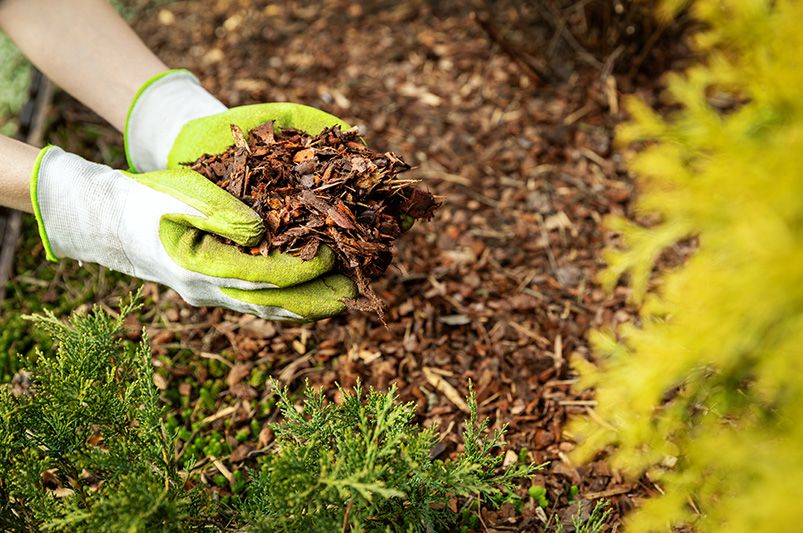
Mulching is the easiest way to insulate soil, regulate moisture, suppress weeds, and feed the microbial community that supports healthy plants. During the off-season, mulch becomes even more powerful because it has months to break down and enrich the soil.
Why Mulching Matters Now
During fall and winter, mulch:
-
Protects roots from freeze/thaw cycles
-
Prevents soil erosion during heavy rains
-
Feeds beneficial organisms as materials decompose
-
Creates better soil structure for next year’s plantings
-
Keeps weeds from sprouting early in spring
Think of mulch as the protective blanket your yard needs to stay nourished and stable.
How Much Mulch to Use
For small yards:
2–3 inches of organic mulch is ideal.
Less than 2 inches won’t insulate well; more than 4 inches can suffocate roots.
Best Mulch Types for Off-Season Soil Building
-
Shredded hardwood — long-lasting, ideal for beds
-
Leaf mulch — excellent for nutrient cycling
-
Composted bark — breaks down steadily
-
Pine straw — great for erosion control
-
Wood chips — perfect around shrubs and trees
Avoid: rocks, rubber mulch, or dyed mulch—these offer no nutritional benefit.
Where to Apply Mulch
Focus on:
-
Bare soil patches
-
Perennial beds
-
Around shrubs and small trees
-
Around raised beds
Keep mulch 3 inches away from plant stems to prevent rot.
2. Composting: Turn Kitchen Scraps into Spring Gold
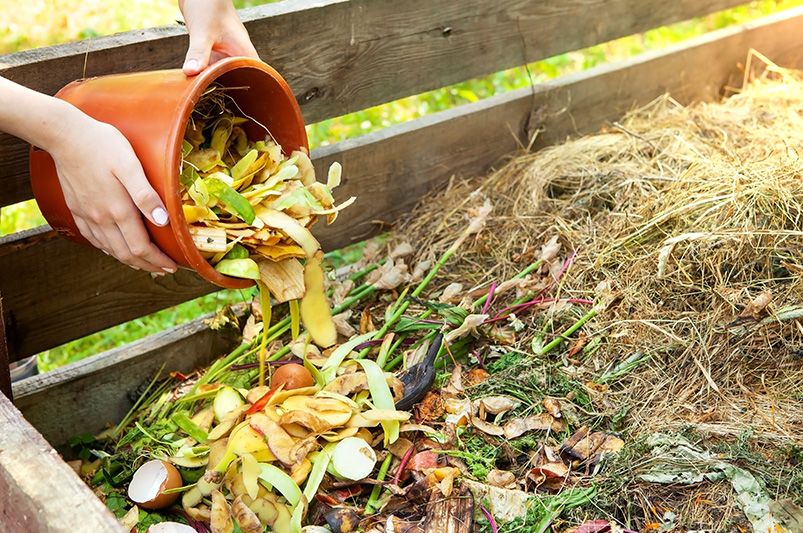
During the colder months, your compost pile naturally slows down, but don’t let that fool you — winter composting still produces incredible results.
Why Compost in the Off-Season?
-
Microbes continue working even in cold temperatures
-
Nutrients stabilize and become plant-available by spring
-
You accumulate a reserve of compost when plants need it most
By spring, you’ll have dark, crumbly compost ready to mix directly into beds.
The Perfect Winter Compost Blend
Aim for the classic ratio:
-
2 parts “browns” (carbon): dead leaves, shredded paper, sawdust
-
1 part “greens” (nitrogen): vegetable scraps, coffee grounds, grass
Tip:
Collect leaves in fall—they’re compost gold and break down beautifully during winter.
How to Speed Up Composting in the Cold
-
Chop kitchen scraps into smaller pieces
-
Add thin layers instead of large dumps
-
Keep the pile covered with a tarp to retain heat
-
Turn it once every 2–4 weeks
-
Add moisture if the pile feels dry
Winter composting works best when you maintain airflow and consistent layers.
3. Soil Amending: Create a Nutrient Reserve for Spring
Healthy soil is built on organic matter—and fall/winter are perfect for adding amendments because your soil has time to “digest” these materials.
Top Amendments to Add During the Off-Season
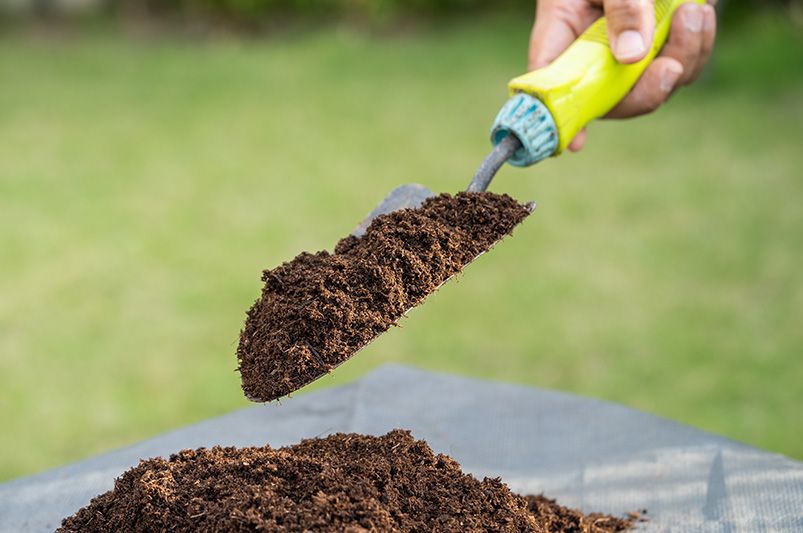
1. Compost
The foundational amendment. Improves:
-
Texture
-
Drainage
-
Moisture retention
-
Microbial activity
-
Nutrient balance
Use 1–2 inches across the top of beds.
2. Aged Manure
Great for off-season because it needs time to mellow.
3. Leaf Mold
One of the best soil conditioners on earth.
4. Bone Meal
Provides phosphorus for strong roots (slow-release).
5. Worm Castings
Great even in small amounts—very potent.
6. Biochar
Improves soil structure and microbial activity, especially in compacted small yards.
How to Apply Off-Season Soil Amendments
Method 1: Top-Dressing (Best for Minimal Effort)
-
Spread compost, leaf mold, or manure across the top layer
-
Let rain and worms pull nutrients downward
Method 2: Shallow Incorporation
Good for raised beds or vegetable gardens.
Method 3: No-Dig Method
Perfect for small yards:
-
Lay cardboard
-
Add compost
-
Add mulch
-
Let nature do the rest
4. Prepping Your Beds Now for Next Year’s Success
Here’s where you can put your yard into “sleep mode” and allow nature to work.
Step 1: Clean Up Strategically
Do:
-
Remove diseased plant material
-
Cut back perennials 2–3 inches
-
Pull late-season weeds
Don’t:
-
Strip your yard bare
-
Remove every leaf (leaves = habitat + soil food)
Step 2: Protect Your Soil with Mulch
As covered earlier, this is your MVP step.
Step 3: Build a Slow-Release Nutrient Base
Off-season is when slow-release amendments shine.
Step 4: Add Winter-Friendly Composting Zones
Designate:
-
A “cold compost” corner
-
Leaf piles that break down naturally
-
Mulch-heavy beds that incorporate kitchen scraps under mulch
Step 5: Plan for Spring Planting
December–January are perfect for:
-
Visualizing new garden layouts
-
Planning plant additions
-
Identifying weak spots in your yard
If you want help…
Get a Custom Yard Design
Whether you’re improving soil, planning new plants, or redesigning your entire yard, ShrubHub’s online design service gives you a fully personalized plan tailored to your space, style, and climate.
Transform your yard at ShrubHub.com today.
Downloadable PDF: “Off-Season Soil Care Checklist”
Your PDF is ready and available here:
Download ShrubHub Soil Care Off-Season Guide
This printable guide includes:
-
Off-season mulching instructions
-
Composting shortcuts
-
Bed prep checklist
-
A simple CTA for homeowners ready to upgrade their space
5 FAQs About Off-Season Soil Care
1. Should I mulch in winter even if my yard is small?
Yes. Mulch protects soil structure, insulates roots, prevents erosion, and suppresses weeds—all essential for small yards where soil conditions can shift quickly.
2. Can compost still break down in cold weather?
Absolutely. Decomposition slows but doesn’t stop. Layering browns and greens properly will ensure your compost continues to process all winter.
3. What’s the easiest soil amendment for beginners?
Compost. You can apply it as a top-dress, mix it lightly in, or let winter rains wash nutrients downward.
4. Should I remove leaves from my yard before winter?
Remove only what’s diseased. Healthy leaves can be shredded and used as mulch or added to compost. They help insulate and feed the soil.
5. How can I prepare my yard with minimal effort?
Focus on three things: mulch, compost, and a quick cleanup. These three steps alone dramatically improve spring performance with almost no ongoing work.