


Embrace the Art of Asymmetry in Garden Design
Published: 31/12/1969 | Updated: 19/06/2025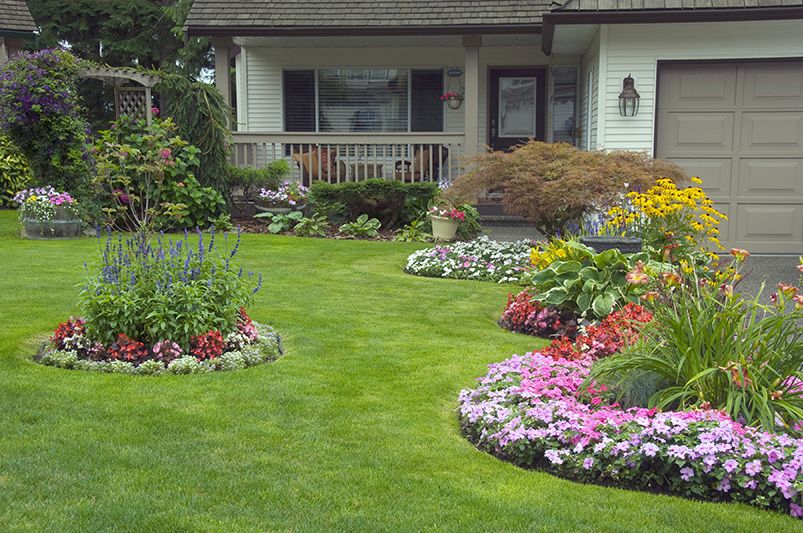
Embrace the Art of Asymmetry in Garden Design
If you’ve always thought garden design had to be perfectly balanced, think again. Homeowners and landscape designers are moving away from the rigid, mirror-image symmetry of traditional gardens and leaning into the natural, flowing beauty of asymmetrical garden design. This trend is all about creating visually stunning outdoor spaces that feel relaxed, organic, and effortlessly stylish.


Unlike symmetrical layouts that rely on equal parts and perfect reflection, asymmetrical gardens balance elements through contrast, texture, and thoughtful placement. The result? A yard that looks and feels more like a piece of living art—and less like something that needs to be trimmed into submission.
At ShrubHub, we love helping homeowners bring this modern, naturalistic style to life. Whether you're reimagining your entire landscape or just tweaking a small corner of your yard, our expert designers can help you craft an asymmetrical space that feels curated yet carefree.
Looking for more fresh, trending garden ideas? Don’t miss our weekly blog article, where we share expert tips, plant recommendations, and design inspiration to elevate your outdoor space every season!
What is Asymmetrical Garden Design and Why Is It Trending?
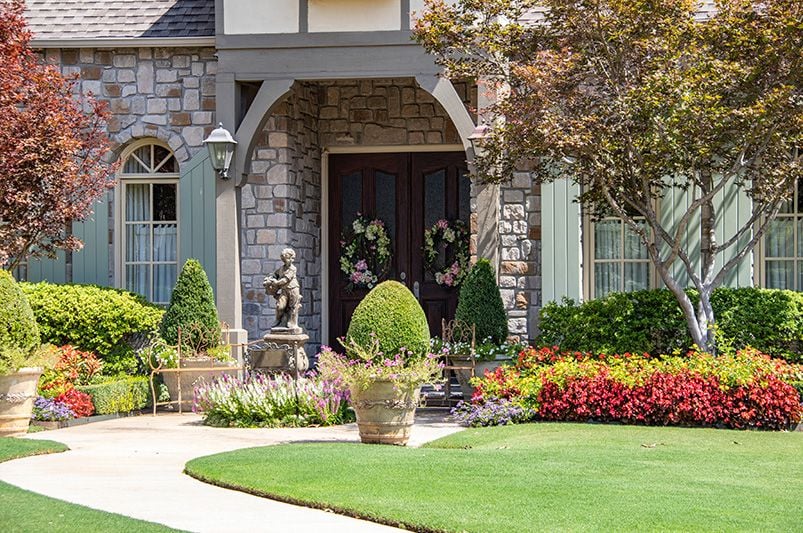
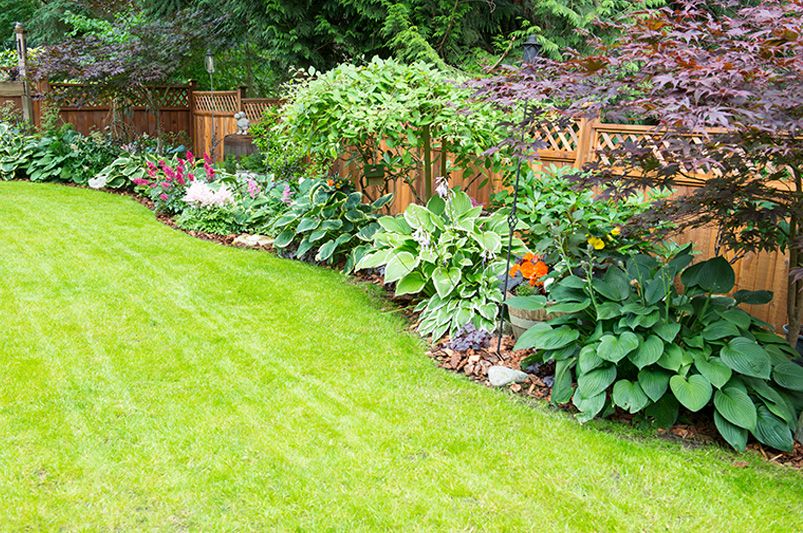
Asymmetrical garden design is all about embracing balance without being perfectly equal on both sides. Unlike traditional symmetrical gardens—where paths, plants, and structures mirror each other—asymmetry focuses on "informal balance," creating harmony through contrast, scale, texture, and careful placement rather than exact duplication.
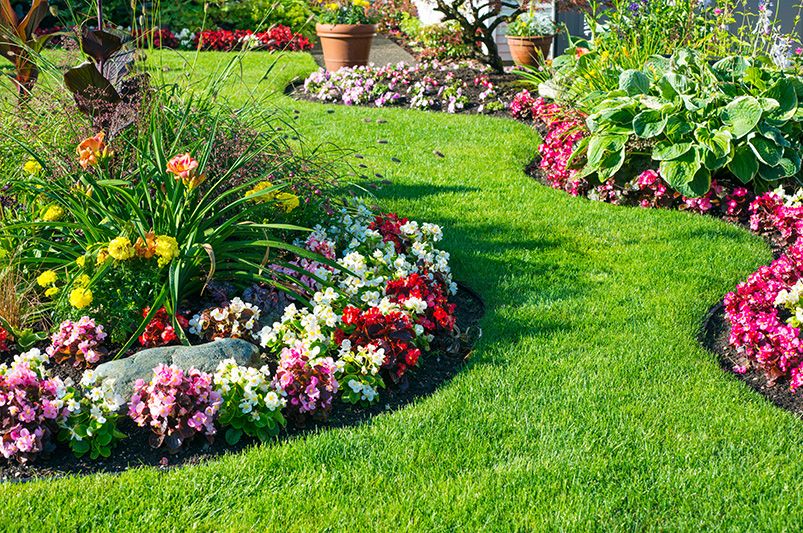
This design approach feels more relaxed, natural, and free-flowing, closely mimicking the irregular, beautiful patterns we see in wild landscapes. Think of the way trees cluster in a forest or how flowers grow along a winding trail—balanced, but never rigid.
Why Gardeners Are Embracing Asymmetry:
-
It creates an organic, modern aesthetic that feels approachable and inviting.
-
It allows for greater creativity and flexibility, giving homeowners the freedom to experiment with shapes, layers, and unexpected combinations.
-
It introduces unique focal points and visual movement, guiding the eye naturally through the space.
-
It can make smaller spaces feel larger and more dynamic by encouraging varied sightlines and open pathways.
ShrubHub Tip: Asymmetrical designs are ideal for modern, multifunctional landscapes—whether you’re blending edible gardens with ornamentals, creating natural play spaces, or simply adding texture and flow to your outdoor retreat.
Key Elements of Asymmetrical Garden Design
Mastering asymmetry is about creating visual balance through thoughtful contrasts and natural flow. Here are the essential components that bring this design style to life:
Pathways: Meandering Over Straight Lines
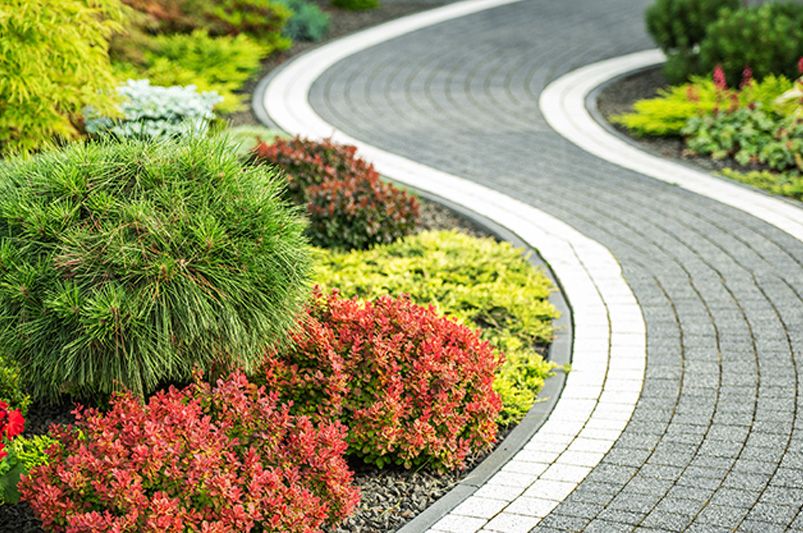
In asymmetrical gardens, paths gently curve and wind instead of cutting through in straight, rigid lines. These meandering walkways invite exploration, feel more organic, and naturally guide visitors through different garden zones.
ShrubHub Tip: Consider using stepping stones, gravel, or mulch to enhance the informal vibe.
Plant Groupings: Odd-Numbered Clusters & Varied Textures
One of the hallmarks of asymmetrical design is planting in odd-numbered groups (like 3s or 5s) instead of symmetrical rows. Mixing different heights, leaf shapes, and textures adds depth and movement while maintaining visual interest. Layer tall grasses behind compact perennials or let trailing vines spill from containers for a lush, relaxed feel.
Focal Points: Off-Center & Eye-Catching
Unlike traditional garden layouts where focal points sit neatly in the center, asymmetrical gardens thrive on surprising, off-center highlights. Place a unique water feature, a bold sculpture, or a cozy seating nook slightly to one side to draw the eye naturally across the space.
Balance Through Contrast: Color, Shape, and Density
The secret to asymmetrical success? Balancing different elements without mirroring them. Pair dense plantings with open spaces, soft grasses with bold-leafed shrubs, or cool blues with warm reds. This contrast creates visual harmony without the need for symmetry.
ShrubHub Tip: Our expert designers can help you achieve this delicate balance, ensuring your garden feels both intentional and effortlessly beautiful.
Designing an Asymmetrical Garden: Step-by-Step with Plant Recommendations
Creating an asymmetrical garden is all about embracing flow, variety, and natural imperfection. Here's how to design your own, step by step, along with plant ideas that bring this style to life.
Start with a Flexible Layout
Begin with a loose, adaptable plan. Instead of rigid grids, sketch layouts that encourage irregular spacing and natural groupings. Think beyond straight lines and right angles—allow your garden to evolve organically.

Select Plants with Diverse Heights and Blooming Cycles
In asymmetrical design, variety is key. Choose plants that offer a mix of heights, textures, and colors to build layers and maintain interest throughout the seasons.
-
Tall Grasses: Add height and movement with options like Red Switch Grass and Prairie Dropseed.
-
Flowering Perennials: Select varieties with staggered bloom times to ensure continuous color and texture.
-
Structural Shrubs: Look for shrubs with unique branching patterns or striking forms to serve as eye-catching anchors.
-
Ground Covers: Use low, spreading plants to create soft, uneven edges that break up open spaces. Explore ShrubHub’s premium plant collections for ideal selections.
Incorporate Asymmetrical Hardscapes
Paths, stepping stones, rock arrangements, and water features should follow curved, flowing lines rather than geometric patterns. Meandering paths naturally lead the eye and create a relaxed, inviting feel.
Design with Multiple Perspectives in Mind
Unlike formal gardens that often focus on a single, centered view, asymmetrical gardens should look good from all angles. Walk around your space and adjust your plant and hardscape placements to keep visual interest from every perspective.
ShrubHub Tip: Our expert design team can help you craft a personalized asymmetrical layout that perfectly complements your home and garden style.
Common Mistakes to Avoid in Asymmetrical Garden Design
While asymmetrical gardens offer freedom and creativity, a few missteps can disrupt the flow and harmony. Here are common mistakes to watch out for:
Overloading One Side Without Creating Balance Elsewhere
Asymmetry doesn't mean imbalance. Placing all tall or heavy elements on one side without counterbalancing textures, colors, or plant groupings elsewhere can make the design feel lopsided. Use contrasting shapes, negative space, or visual weight to maintain a sense of harmony.
Ignoring the Importance of Repetition
Without some repetition, an asymmetrical garden can feel chaotic rather than cohesive. Echo plants, materials, or colors throughout the space to tie everything together and guide the eye naturally through the design.
Failing to Account for Plant Maturity and Spacing
A common pitfall is underestimating how large plants will grow. When spacing is too tight or when plants mature unevenly, it can lead to overcrowding or visual imbalance over time. Always plan with plant maturity in mind to preserve the intended flow.
Neglecting to Guide the Eye with Clear Focal Points
Even in informal designs, the eye needs direction. Without well-placed focal points like off-center sculptures, seating areas, or striking plant specimens, the garden can feel aimless. Ensure each view has an intentional stopping point that captures attention.
ShrubHub Tip: Our designers can help you avoid these common pitfalls by crafting asymmetrical gardens that stay beautiful and balanced as they grow.
Final Thoughts:
Asymmetrical garden design offers a refreshing break from rigid, traditional layouts. By embracing curves, varied heights, and organic flow, you can create outdoor spaces that feel natural, inviting, and uniquely yours. Whether you’re working with a cozy corner or an expansive yard, asymmetry gives you the freedom to design a garden that evolves beautifully over time.
If you’re ready to break free from predictable patterns and explore a garden style that’s full of life and personality, ShrubHub is here to help.
Connect with our expert landscape designers today to craft your perfect asymmetrical garden! And don’t miss our weekly blog articles for even more fresh landscaping inspiration.