


Best Practices for Hibiscus Tree Winter Care
Published: 26/08/2024 | Updated: 26/08/2024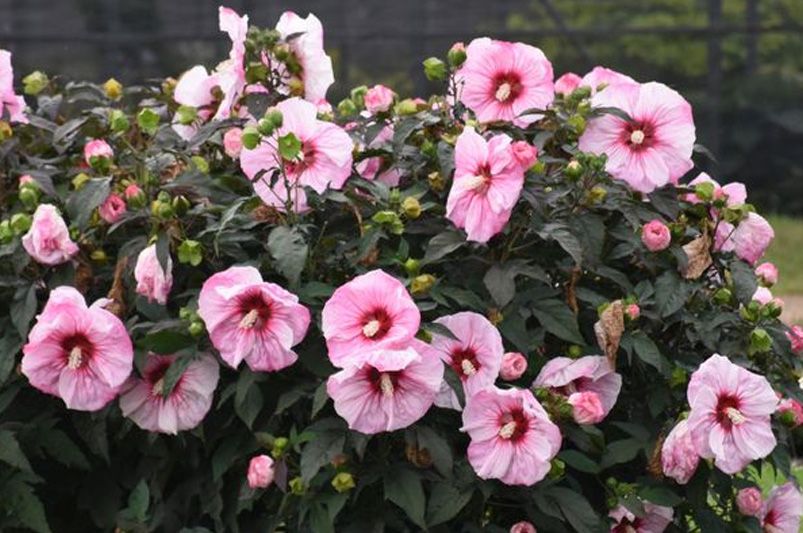
Key Highlights
- Determine if your hibiscus is tropical or hardy, as this dictates winter care.
- Tropical hibiscus needs protection from cold, ideally indoors.
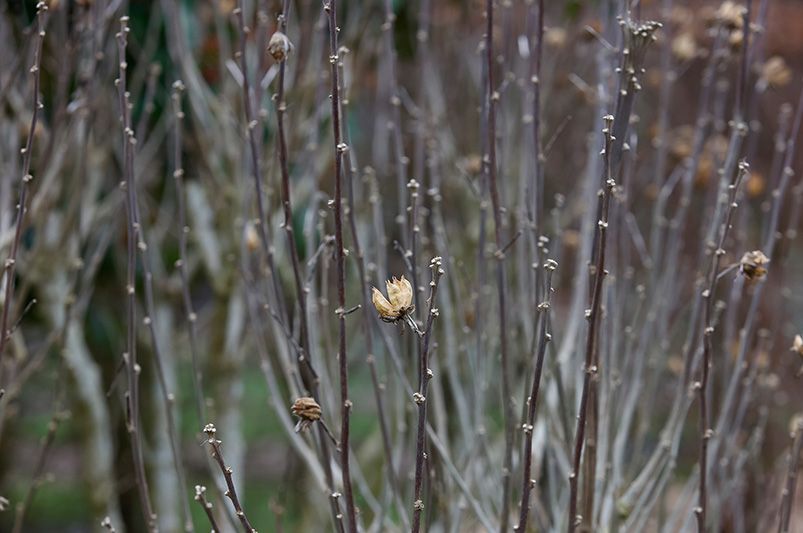
- Hardy hibiscus can tolerate colder temperatures but benefits from mulching.
- Pruning encourages bushier growth and better blooms in the next season.
- Proper watering and light are essential for indoor hibiscus care.
Introduction
Hibiscus trees are known for their bright flowers. They can add a tropical feel to your garden. However, when it gets cold, it is important to take good care of them. This is especially true for delicate tropical plants. This guide talks about how to care for hibiscus trees in winter. It is helpful whether you have a tropical or hardy hibiscus.


Identifying Your Hibiscus Variety
Before you think about how to care for your hibiscus in winter, you must first know what type you have. Tropical hibiscus and hardy hibiscus are different from each other, and this affects how well they deal with the cold.
Tropical hibiscus usually has shiny, glossy leaves and beautiful flowers that may show different colors. They love warm weather and cannot survive frost. In contrast, hardy hibiscus, like the Rose of Sharon (Hibiscus syriacus), has bigger flowers and tougher, duller leaves. As their name suggests, hardy hibiscus can handle colder weather, even freezing temperatures.
Tropical vs. Hardy Hibiscus Care Needs
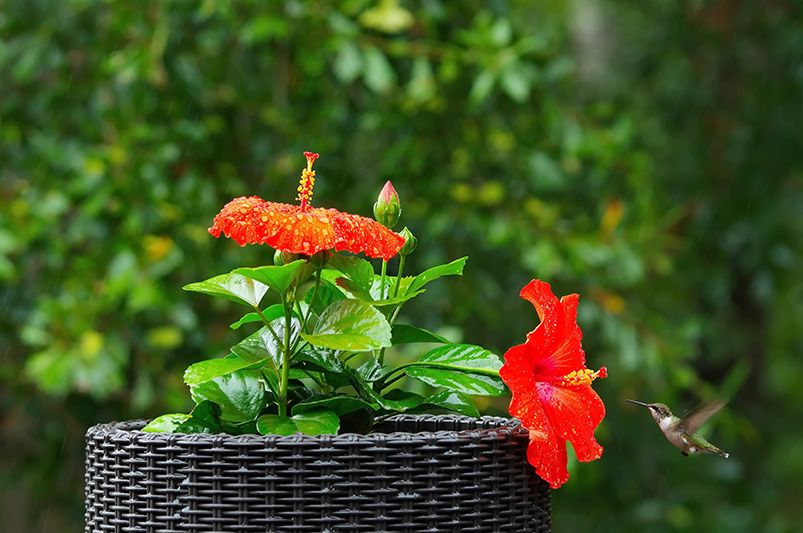
Knowing your hibiscus type is important. It helps you understand what it needs. Each type deals with cold winters in its own way. They also need different care.
Tropical varieties can struggle with even small frost.
- Bringing them indoors before it gets below 50°F is very important.
- Find a sunny spot in your home where they can grow well.
Hardy varieties are tougher and can handle cold winters better.
- Protecting their roots from big temperature changes is very important.
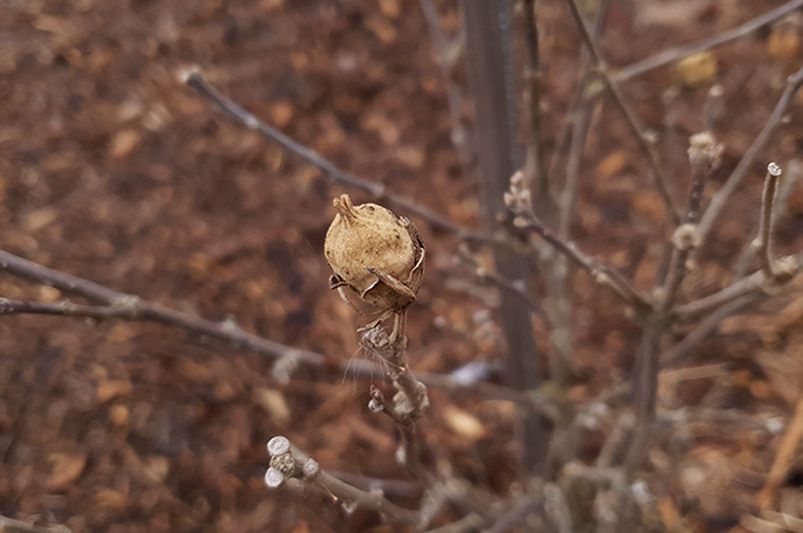
- Applying a thick layer of mulch around the base helps keep them warm.
- Consider using a frost cloth for extra protection during very cold times.
The Importance of Knowing Your Plant Type
Misidentifying your hibiscus can lead to serious problems. Think about confusing a tropical hibiscus, which has shiny leaves, with a hardy one. If you leave the tropical hibiscus outside in frost, it could be badly damaged and never recover. On the other hand, if you bring the hardy hibiscus inside when it can survive outside, it might hurt its natural cycle and ability to bloom.
Because of this, it's important to check your hibiscus closely. Look for clear signs: the shiny leaves from the tropical hibiscus or the rough texture of the hardy hibiscus. If you are unsure, talk to a gardening expert or visit a local nursery. Knowing what kind of hibiscus you have is the first step to taking care of it properly during the winter.
Preparing Your Hibiscus for Winter
As summer ends and signs of autumn start to show, it's time to get your hibiscus ready for winter. For tropical hibiscus, this means moving them indoors. For hardy hibiscus, you need to shield them from the cold weather.
No matter the type, getting them ready is important so they come back healthy and bright in spring. Let’s look at the steps to winterize both types of hibiscus successfully.
Pruning Techniques for Healthy Growth
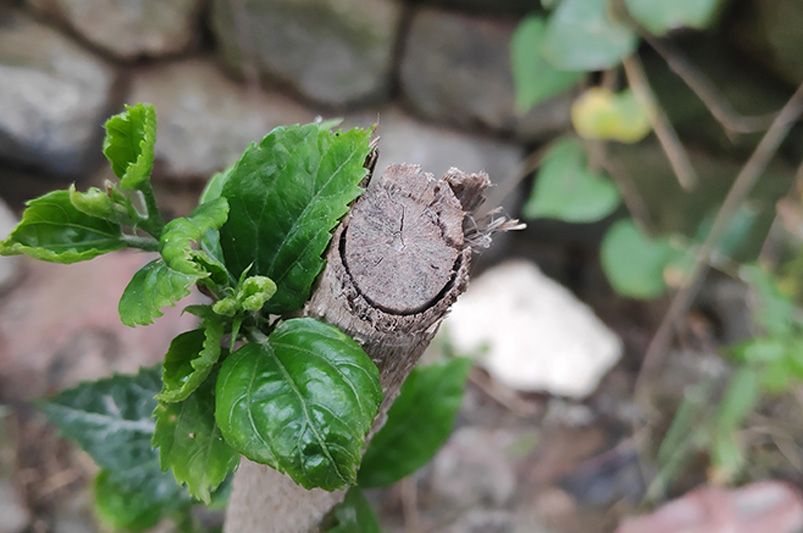
Pruning is very important for taking care of hibiscus plants, especially as winter comes. It helps the plant grow bushier in spring. It also makes sure the plant spends energy on growing strong roots instead of keeping too many leaves.
For tropical hibiscus, it’s best to prune before you bring them inside for winter. Trim off any long or overgrown branches to keep a nice shape. For hardy hibiscus, you can prune them in late fall after they finish blooming or in early spring before new growth starts.
Always use sharp and clean shears when you prune to avoid hurting the plant. Cut stems just above a node. This will help the plant branch out and grow fuller. Don’t be scared to prune. Your hibiscus will reward you with better growth and more blooms next season.
When and How to Bring Hibiscus Indoors
Tropical hibiscus plants like warm weather. They need care when it gets cold. If the temperature falls below 50°F, it's time to move your tropical plants inside.
If your hibiscus is in a pot, bringing it indoors is easy. Find a bright spot, preferably near a south-facing window, to give it enough sunlight. Moving it inside slowly helps the plant adjust. Check your hibiscus for pests before taking it inside.
Make sure your indoor area is not too dry. Tropical hibiscus likes humidity. You can mist the leaves or use a humidifier to create a good environment for them.
Optimal Indoor Environments for Hibiscus
Bringing tropical hibiscus indoors for winter is not just to keep them warm. It's important to make their environment similar to what they like. Getting the right amounts of light, temperature, and humidity can help your plant grow well. This can mean the difference between a healthy plant and one that just gets by.
When you learn about the needs of these tropical hibiscus, you can enjoy their bright flowers even in the cold months.
Lighting and Temperature Requirements
Tropical hibiscus does best in bright, indirect light inside during winter. A south-facing window is usually the best place for it. Make sure to rotate the pot often. This helps the light reach all sides of the plant and stops it from leaning. If there isn’t enough natural light, you can use artificial grow lights.
Keeping a steady temperature is also important for your hibiscus. Try to keep it between 65-75°F during the day and a little cooler at night. Don't put the plant near drafts, heat vents, or doors. Quick changes in temperature can stress your plant.
Your main focus should be to create a warm space that feels like the tropical environment your hibiscus loves.
Managing Humidity and Watering Schedules
Maintaining the right humidity is very important. Dry air can harm your tropical hibiscus. You can spray the leaves with water to help boost the humidity around the plant.
In winter, water your hibiscus less often since it goes into a sleepy stage. Instead of sticking to a regular watering schedule, check the soil's moisture. Water it only when the top inch of the soil is dry. Giving too much water can cause root rot, which harms the plant's health, especially in winter.
Finding a good balance between humidity and watering is essential to keep your hibiscus thriving indoors. Watch your plant and change your care based on what it needs.
Conclusion
In conclusion, taking good care of your hibiscus tree in winter is very important for its health and life. You need to know what your hibiscus type needs, whether it is tropical or hardy. This is the first step for providing the best care. It's important to prune your plant properly and bring it indoors at the right time. Make sure you create a good indoor space with enough light, right temperature, the right humidity, and proper watering. This will help your hibiscus do well during the winter months. Don't forget to share these tips on social media to help other plant lovers care for their hibiscus trees better.
Frequently Asked Questions
How do I know if my hibiscus is tropical or hardy?
If you are unsure, checking the leaves can help a lot. Tropical hibiscus usually has shiny leaves. On the other hand, hardy hibiscus, like Hibiscus syriacus, has duller and rougher leaves. If you still don’t know, a local nursery can assist you in identifying your beautiful flowers. This way, you can take care of them better as a gardener.
Can hibiscus survive frost if left outdoors?
Hardy varieties can usually handle frost well, especially if they have a layer of mulch for protection. On the other hand, tropical hibiscus will probably not make it through frost. It is best to bring these indoors before the first frost. This way, you can enjoy their lovely blooms again next year.
Looking to enhance your garden with vibrant hibiscus trees?
Discover our stunning collection at Shrubub's Plant Marketplace. We offer a diverse selection of hardy hibiscus trees that will add beauty and color to any yard. From the eye-catching Hibiscus Raspberry Smoothie Tree to the spectacular Sugar Tip® Rose of Sharon Tree, you'll find the perfect hibiscus to complement your landscape and boost your curb appeal.