


16 Garden Winter Prep Tips For Healthy Plants
Published: 31/12/1969 | Updated: 13/11/2023
Gardening is a great way to relax and enjoy the outdoors. Whether you have a small backyard or live in an apartment with a balcony, you can still grow some of your vegetables and herbs.


But it's not just about getting fresh food—gardening also helps reduce stress, increase self-esteem and improve your mood!
And guess what? Winter is a great time to get started with a new garden. If you're just starting, here are 16 tips for preparing your soil and plants for the cold months ahead:
1. Prepare a compost pile or bin
Composting is one of the easiest ways to recycle organic waste and keep it from going into landfills. It can be used as a soil amendment, or for mulching.
When you add compost to your plants, you help reduce waste and save money, while also creating nutrient-rich soil that is beneficial for your plants!
There are many different ways to compost, but the basic idea is that you put food scraps and garden waste into compost bins, which are then broken down by microorganisms over time.
2. Remove crops and fallen leaves
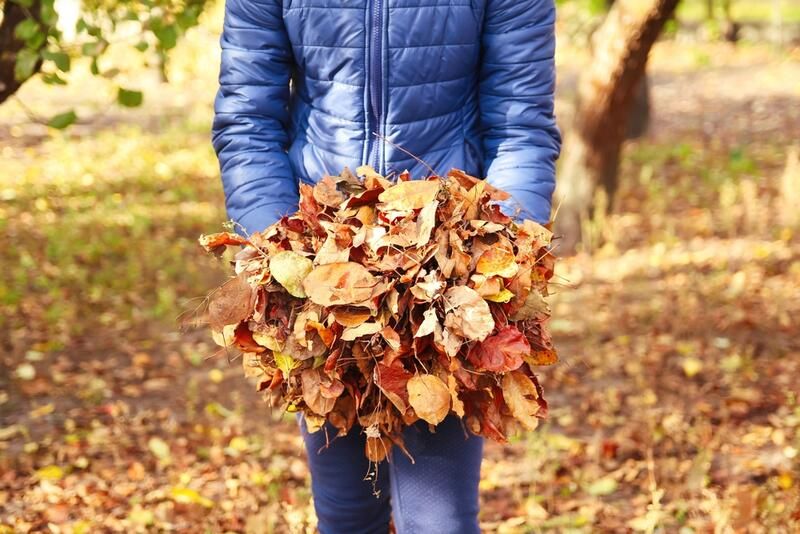
It's a good idea to give your garden a thorough cleaning before winter hits. If you haven't already, remove any dead leaves and other debris from the plants to ensure that there is no mold or disease present.
Also inspect plants for insects or pests that may be damaging them, as well as for plants past their prime.
This includes plants that are not going to survive the winter (such as herbs), are too big for their space (like tomatoes), are diseased or insect-infested, etc.
3. Build cold frames for overwintering plants
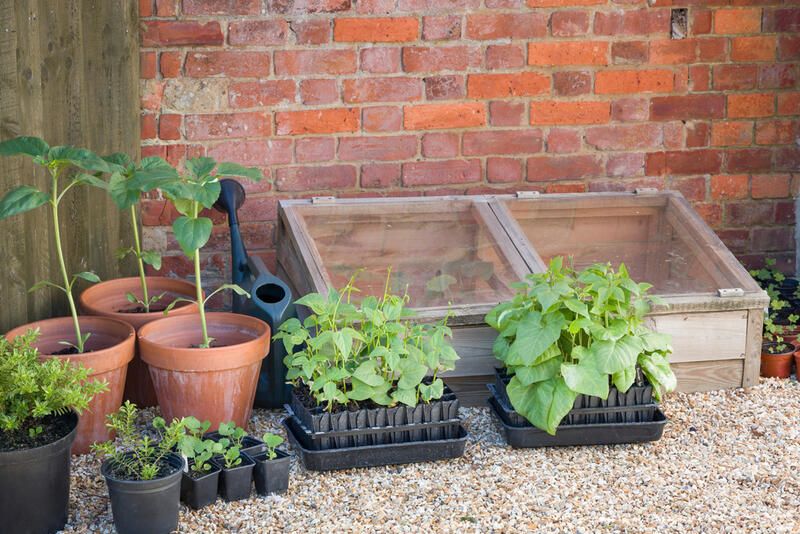
The colder months can be tough on plants, making them more susceptible to disease. But you can help your garden thrive by building a cold frame for overwintering plants.
You can build a cold frame with recycled materials like old windows and doors or lumber you have lying around the garage.
The cold frame will protect plants from the elements as well as insects and diseases so that they can thrive during the winter.
4. Move potted plants to a frost-free space
Moving your potted plants indoors affords them aseveralbenefits. First, they’ll be protected from the elements—so you don't have to worry about them getting frostbite or freeze damage.
Second, they won't be exposed to wind, which can cause branches (and leaves) to snap off and fall off entirely during winter storms.
Thirdly, if you live in an area where temperatures get particularly cold during the winter months, bringing your plants inside will protect them from killing frosts that could happen overnight.
Finally, moving your potted plants indoors will help prevent pests like spider mites from reaching them.
5. Insulate your raised garden beds with straw bales or wood chips
Insulating your raised beds with straw bales, wood chips, or similar materials is a great way to keep your soil temperature even and prevent frost heave. This helps protect roots from cold snaps and keeps water from freezing inside the garden beds.
Here's a quick comparison of the two to help you decide which one to use:
-
Straw bales are a classic insulating material that’s effective because they hold heat well. They also don’t take up much space in storage if you plan on leaving them out over winter (which isn't always recommended). You can also reuse them next year if you feel like it!
-
Wood chip mulch may be more expensive than straw bales but it does an equally good job of insulating plant roots over the winter months
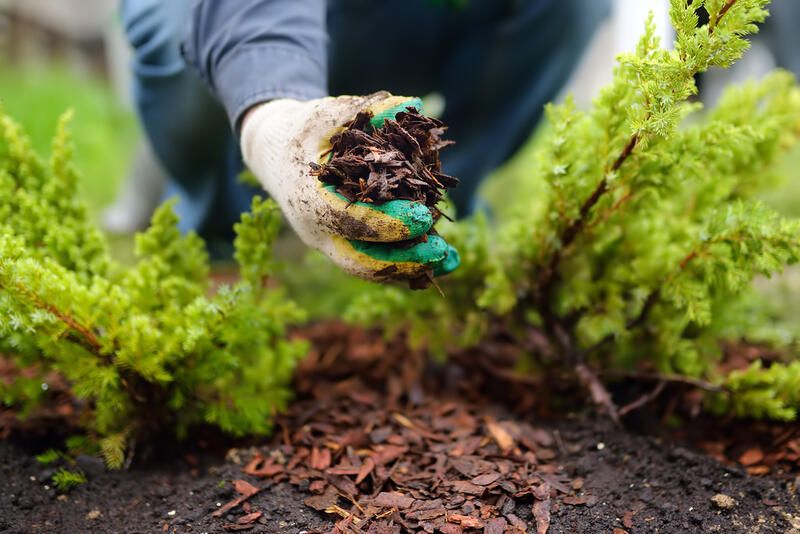
6. Use thick layers of mulch to retain moisture in the soil
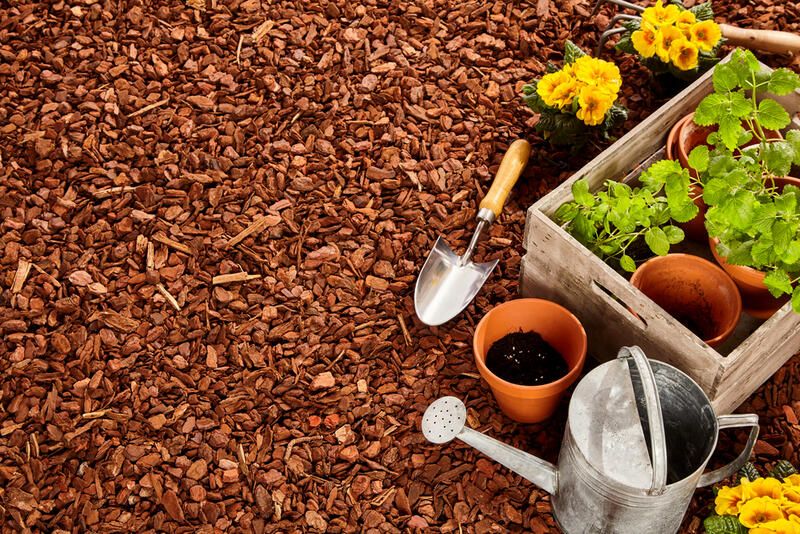
Mulch is a great way to help your plants retain moisture and protect the soil from erosion. In winter, you may want to use a thicker layer of mulch than you would in summer.
Mulch can also be used as an effective weed control method because it prevents weeds from growing through it by blocking light and other nutrients they need to thrive.
The best way to use mulch is to put down a thick layer of it in the fall. This will help prevent weeds from growing and keep the soil moist while it breaks down into compost over time.
7. Drain irrigation systems and hoses before winter cold sets in
The best way to winterize your irrigation system is to drain it. Your sprinkler system will be much easier to maintain and keep running smoothly next spring if you can properly drain the water from the pipes and hoses now.
As you are draining the water, make sure that you also remove any debris from the inside of your pipes and hoses.
If you do not have a way to drain your irrigation system, consider using a garden hose connected to your outdoor faucet or a portable pump to drain it.
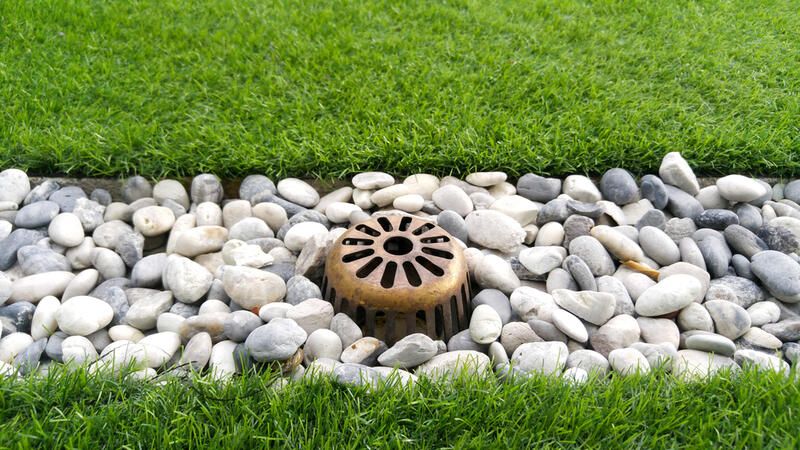
8. Protect the soil surface from erosion during the growing season
Erosion occurs when wind and water move soil particles off-site. Wind can erode soil by blowing away loose topsoil-like dust by pushing sand into drifts that collect on downwind slopes.
Water erosion results in runoff when rain falls faster than it can infiltrate into the soil (or if there isn't enough organic matter).
To protect your soil from erosion, you should consider using windbreaks and water management practices such as contour furrows.
A windbreak is a barrier made from trees, shrubs, or tall crops that helps prevent wind erosion by slowing down the speed at which soil particles are blown away. Contour furrows, on the other hand, are shallow trenches that help prevent water from running downhill too quickly.
9. Relocate your houseplants
The next thing you should do is relocate your houseplants. If you have a frost-free space, such as an unheated room or garage, your plants will be safe there during winter.
Make sure they are not near radiators or windows and doors that could let in cold air. Also, place them on a layer of mulch or newspaper to protect their roots when you move them.
If you don’t have access to a frost-free space then move the plants into an unheated building such as a shed or garage and cover them with insulating material such as bubble wrap so they remain warm.
If this is not possible either then keep them indoors but away from radiators, windows, and doors which allow draughts that might chill the foliage too much for comfort!
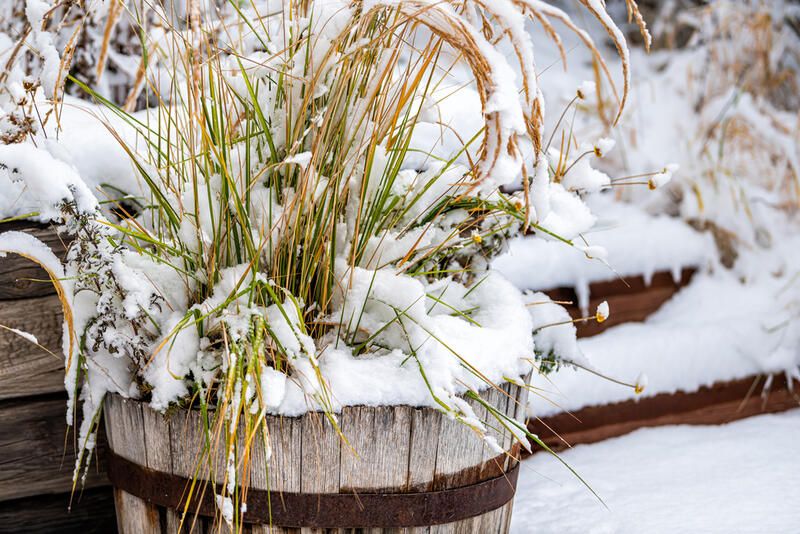
10. Let leaves stay on your perennials and grasses
Leaves are an amazing resource for wintering over plants, especially perennials and grasses. They insulate the plant's roots from cold and wind damage, helping to keep them alive during the winter months.
They decompose into the soil, enriching it with nitrogen and other essential nutrients. They also provide food for insects that are important for pollination in springtime!
Confused about when to remove the leaves and when to keep them? Here is what to do for optimal results:
-
If there is still some green left in the leaves then they can be very beneficial!
-
If all of the leaves have turned brown though, it's best to remove them – because they will just rot on your plant and get in the way while you're trying to prune back for spring planting.
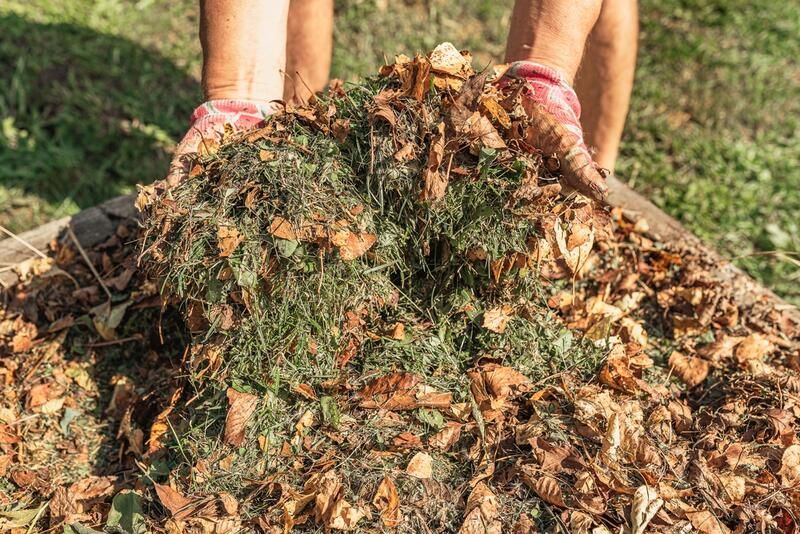
11. Shred leaves to use as mulch
Shredded leaves make excellent mulch. They can be used to insulate the ground, preventing moisture loss and keeping soil temperature cooler.
Leaves also prevent weeds from growing in your garden by choking out seedlings and smothering them with their thick layer of organic matter. This makes mulching a great way to keep your garden weed-free!
Mulch is good for the soil because it helps retain water in the ground and prevents erosion. It can also add nutrients back into the earth when it decomposes, which encourages regrowth in springtime.
12. Water well before the ground freezes
The first and most obvious step in winter gardening is to water your plants well before the ground freezes.
Watering garden beds before they freeze will prevent plant damage to roots as they encounter a layer of ice during cold weather, making them vulnerable and unable to absorb nutrients through their root systems.
The last time you should water your garden is when the ground freezes, but if you’ve been diligent about keeping up with this task throughout fall and into winter, there’s no need to worry!
The key here is to use an ice melter on top of any dirt or add mulch on top of your plants so that there isn’t any moisture hiding from them due to frozen conditions.
If there are any spots where water pools up around your plants after watering, use a rake or other tool to remove excess liquid.
13. Mulch with aged manure
One of the most important things you can do to prepare your garden for winter is to apply mulch.
Using manure as mulch will help your soil retain moisture and prevent it from freezing.
However, you should only use it on plants that are already established. The reason for this is that manure can contain harmful bacteria that could potentially kill young or vulnerable plants if used before they mature enough to withstand these microorganisms.
If you’re planning on using manure as mulch this season, choose aged manure (at least six months old) that has been allowed to completely dry out.
14. Prune branches to prevent ice damage if needed
Fall pruning can help you avoid pests on your plants, as well as fire danger in the garden.
It will also help protect your plants from storm damage by allowing them to bend without breaking or snapping off at the base of their stems when hit by heavy winds, hail ,or snow.
If you have a garden with fruit trees, prune branches that are too close together. This will help prevent the disease from spreading between trees and in turn, keep your fruit tree healthy for years to come.
Check out our other plant-related guides to find out how to prune specific types of trees and shrubs.
15. Sow cover crops for a beautiful winter landscape
A cover crop is a plant that you grow in your garden bed during the off-season to help improve soil health. Some of these plants include clover, radishes, turnips, and oats.
The idea behind planting cover crops is that they’ll enrich the soil with nutrients and organic material, as well as prevent erosion by holding it together while decomposing.
The best time to plant cover crops is in the fall, and you can either broadcast them onto your soil or use a seed drill to ensure they’ll be evenly distributed. Once planted, you should let them grow for about two months before mowing them down and tilling them into the soil.
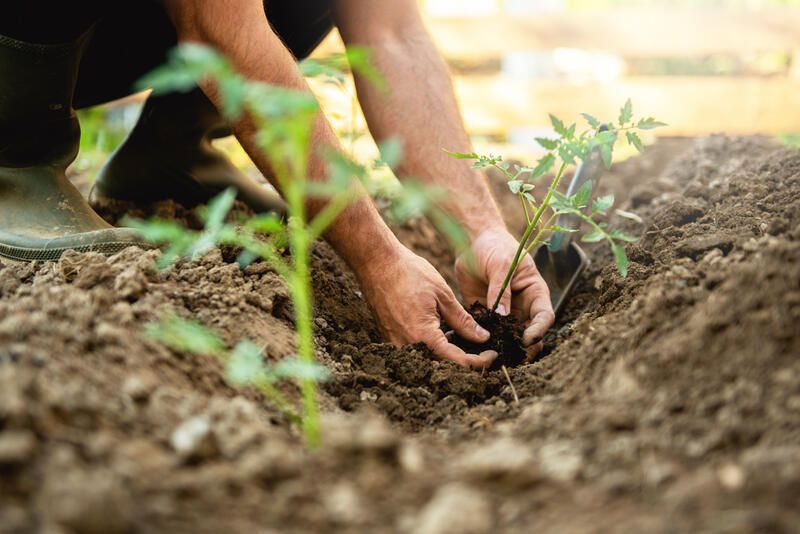
16. Plant bulbs for an early start on your vegetable garden
Bulbs are a great way to get a head start on your vegetable garden. They're easy to grow and can provide colorful flowers for months after you plant them. You can plant them in the fall, so they’ll be ready to bloom when temperatures begin to warm up and the snow begins melting away.
You can plant bulbs in a sunny location, such as indoors near a sunny window, or outside in your yard. They also need well-drained soil that is rich in organic matter and nutrients, so make sure they have that as well.
Finally,
Remember that if you want to make sure your plants survive the winter months, you need to be prepared for anything that might come along. These tips will help get your garden ready for winter weather and keep it healthy over the long term.
Look at this list as a checklist of things to do before winter arrives so that when cold weather hits, you’re in good shape!
And if you need the advice of an expert, contact ShrubHub today! It's free and you will be able to ask our professional landscapers and plant experts anything you want!