

Ship to: Update
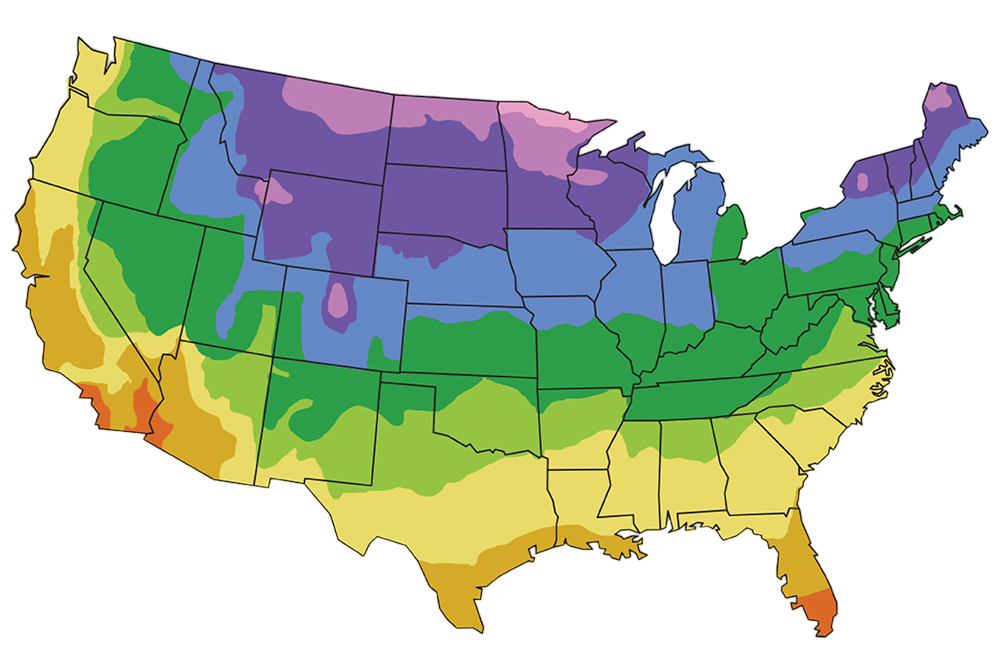
- Landscape Plants
Plants Filter
Current Filters
Growing Zones
Mature Height
Sunlight
Plant Type
Landscape Plants
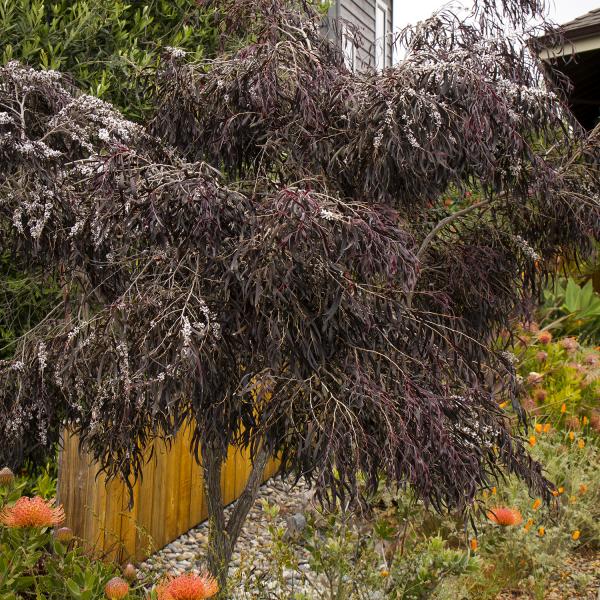
"After Dark" Peppermint Willow
Out of Stock
30% Off
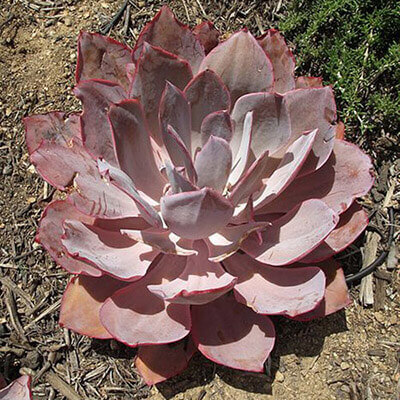
'Afterglow' Echeveria
Out of Stock
30% Off
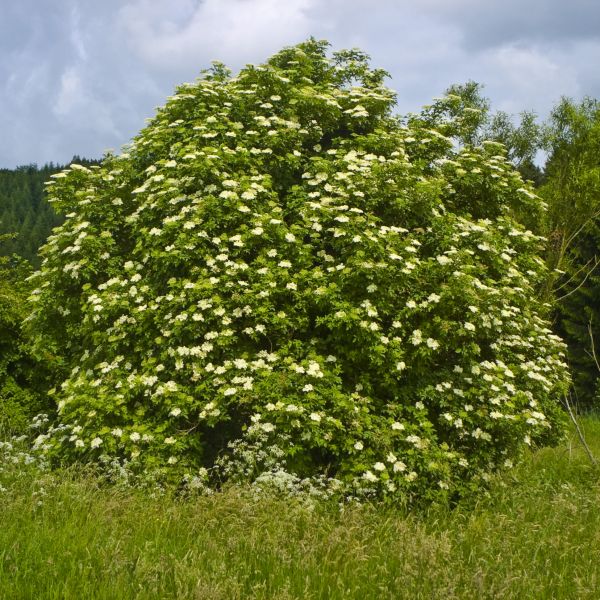
'Black Tower', 'Golden Glow'
Out of Stock
30% Off
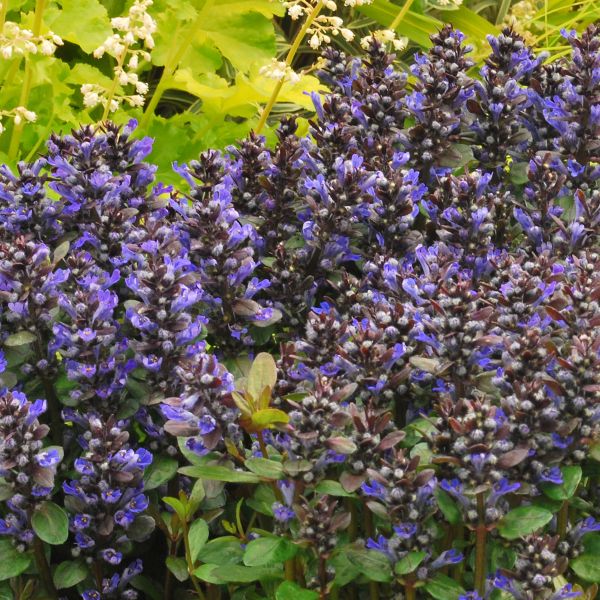
'Blueberry Muffin', Bugleweed
Out of Stock
30% Off
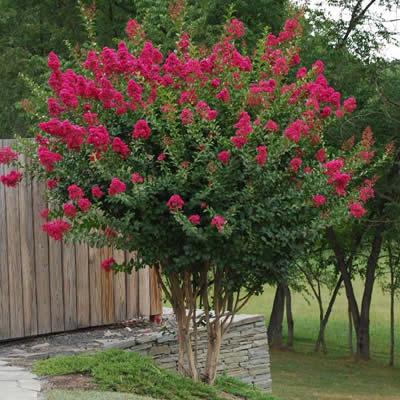
'Cherokee' Crape myrtle
Out of Stock
30% Off
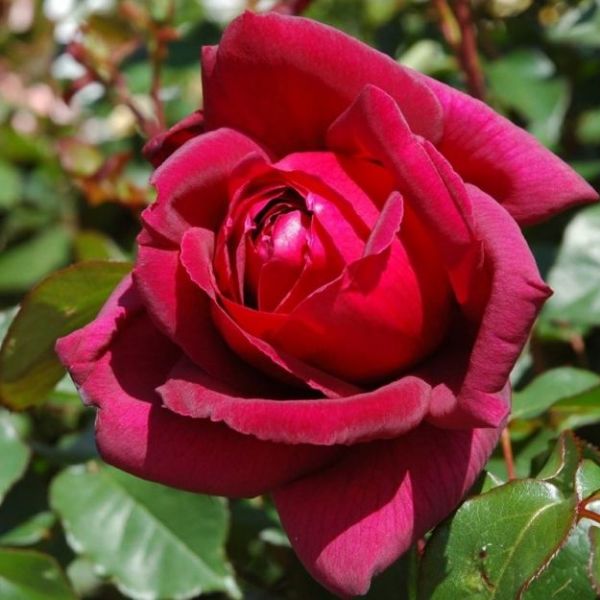
'Climbing Oklahoma' Rose
Out of Stock
30% Off
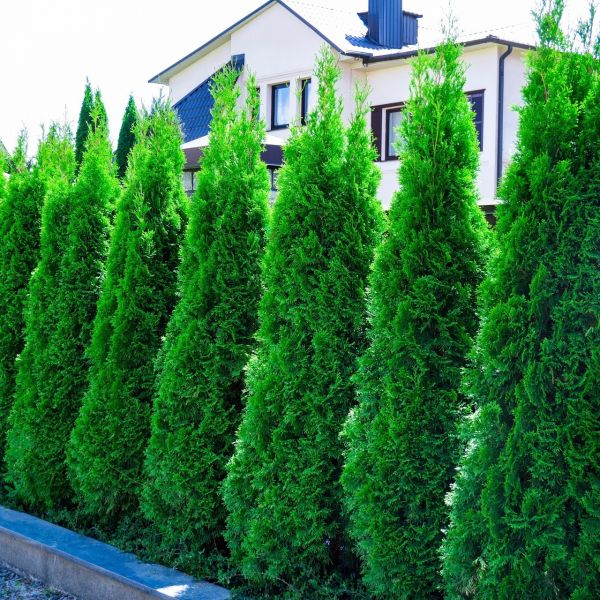
'Emerald Green' Arborvitae
Out of Stock
30% Off
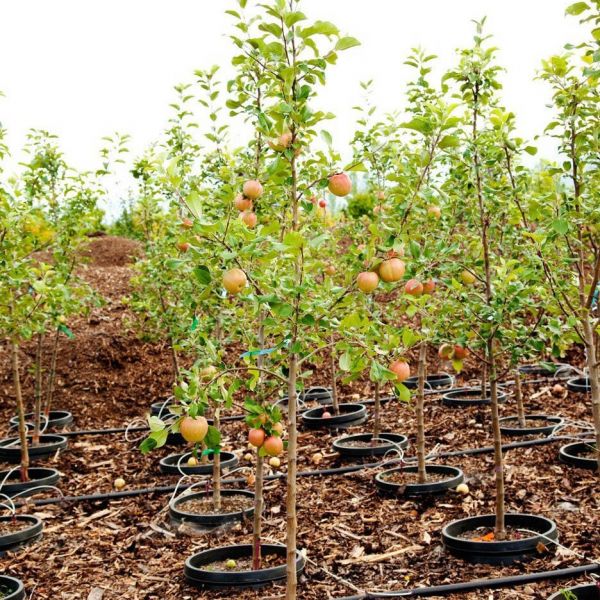
'Fire Storm' Honeycrisp
Out of Stock
30% Off
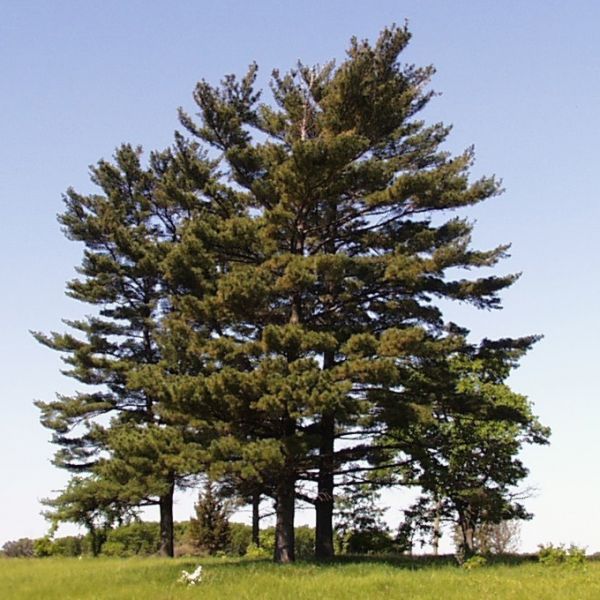
'Horsford Dwarf' Pine
Out of Stock
30% Off
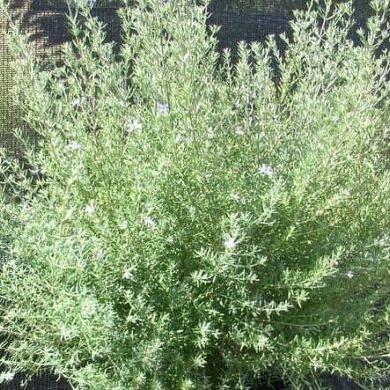
'Morning Light' Coast Rosemary
Out of Stock
30% Off
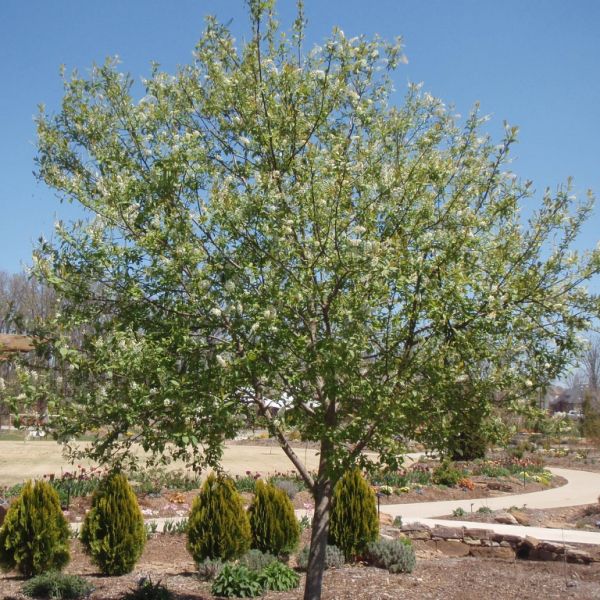
'Sucker Punch' Chokecherry
Out of Stock
30% Off
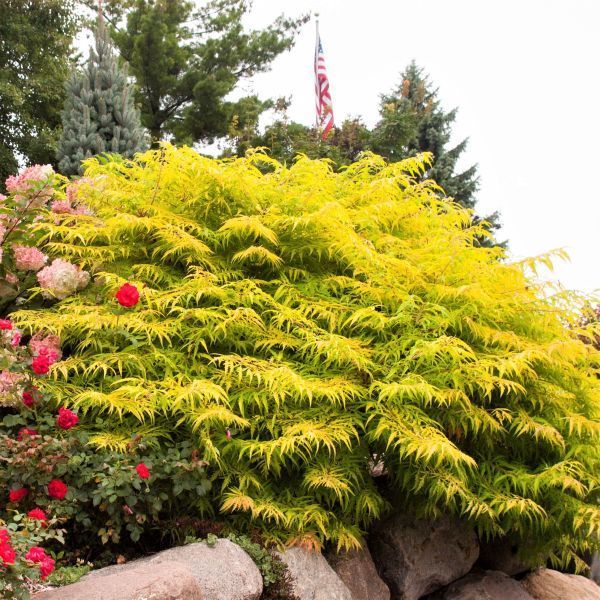
'Tiger Eyes' Staghorn Sumac
Out of Stock
30% Off
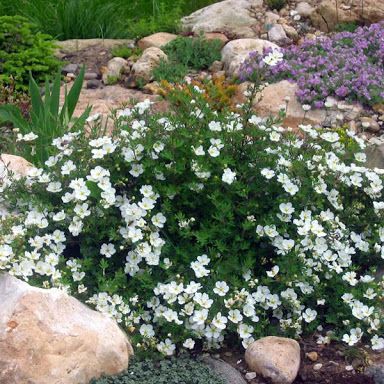
Abbotswood Potentilla
Out of Stock
30% Off
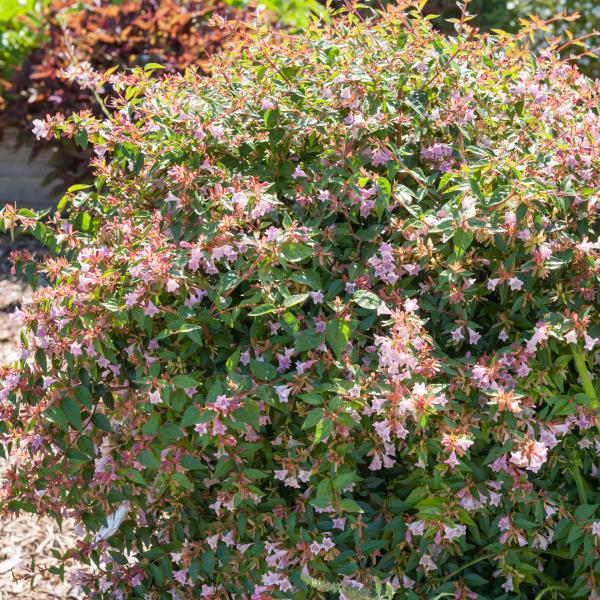
Abelia 'Mardi Gras'
Out of Stock
30% Off
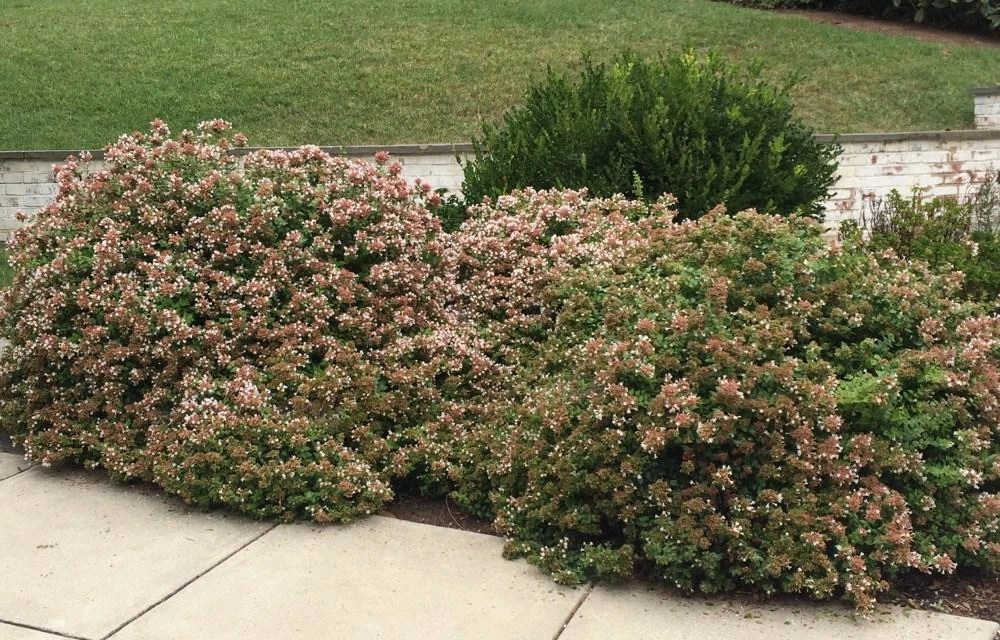
ABELIA 'ROSE CREEK'
Out of Stock
30% Off
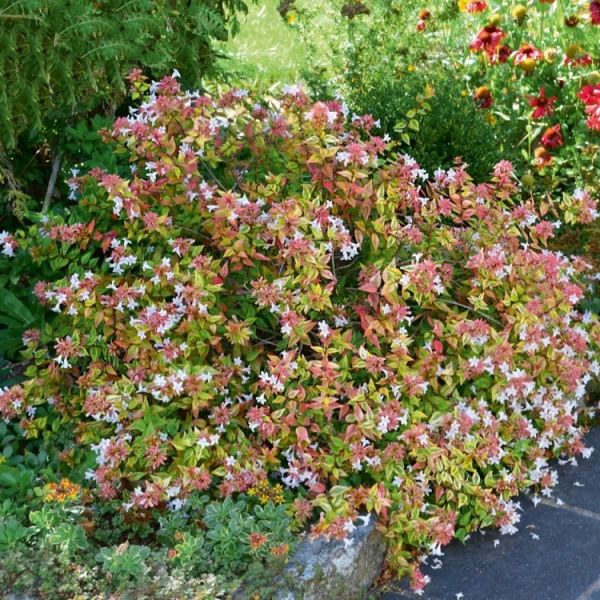
Abelia Francis Mason
Out of Stock
30% Off
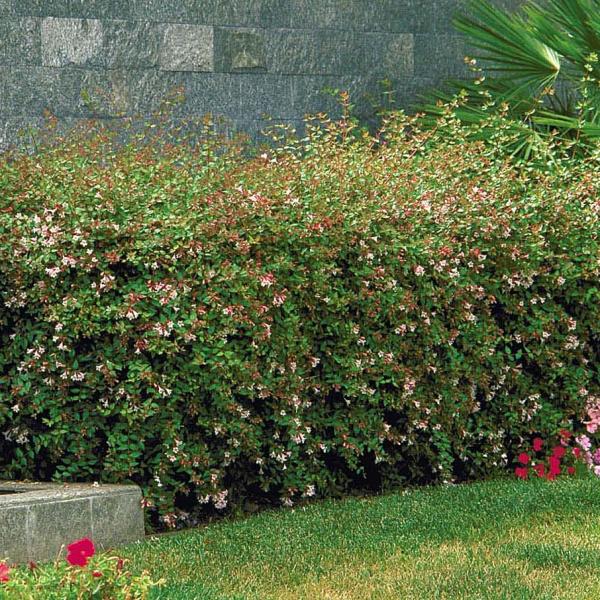
Abelia Grandiflora
Out of Stock
30% Off
Abelia Prostrata
Out of Stock
30% Off
Abelia Rose Creek
Out of Stock
30% Off
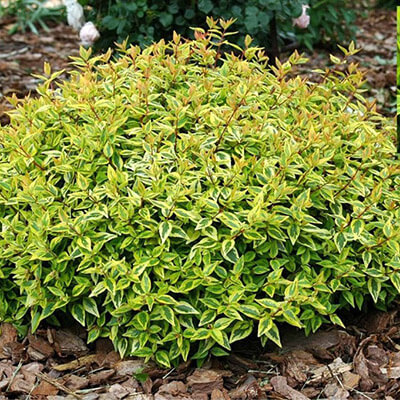
Abelia X Grandiflora 'Kaleidoscope'
Out of Stock
30% Off
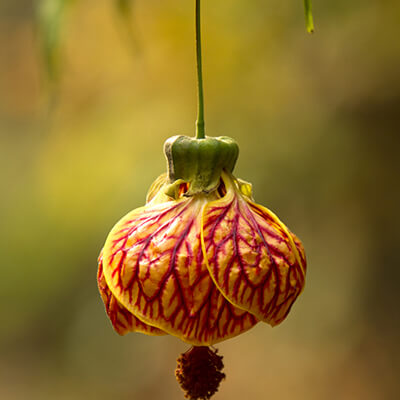
Abutilon Hybridum - Tiger Eye
Out of Stock
30% Off
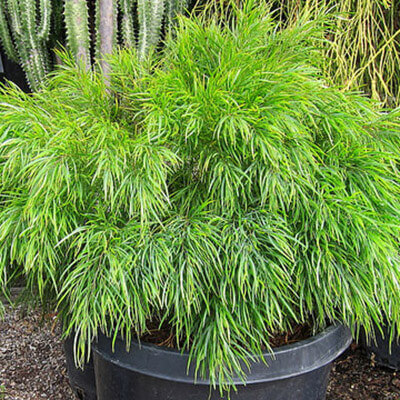
Acacia Cognata 'Cousin Itt'
Out of Stock
30% Off
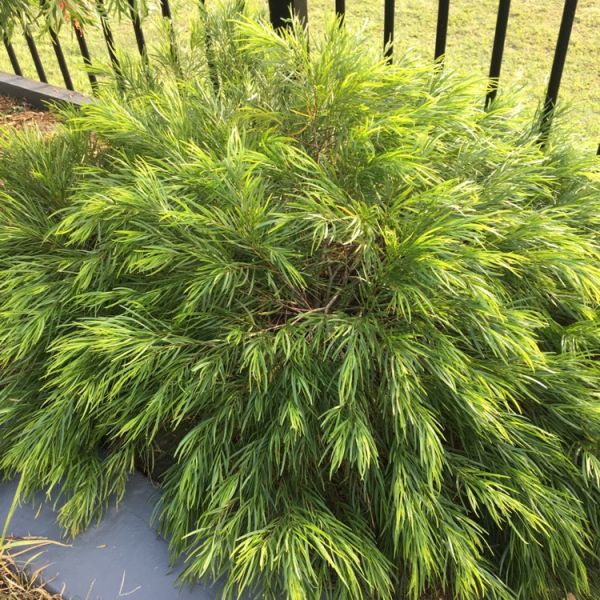
Acacia Limelight
Out of Stock
30% Off
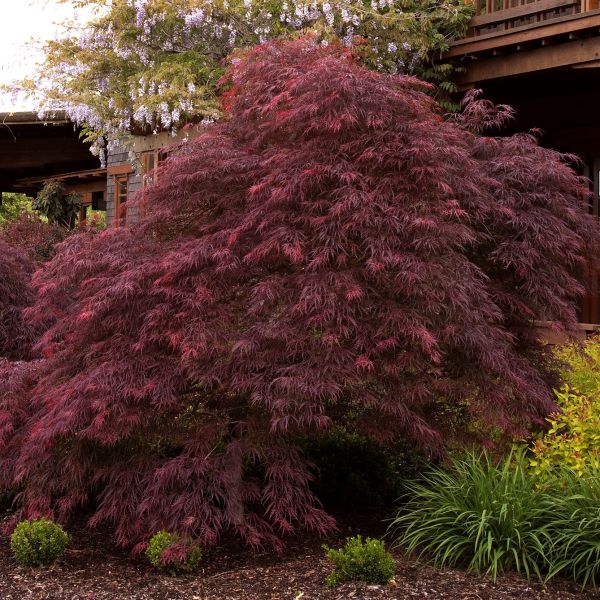
Acer palmatum 'Ever Red'
Out of Stock
30% Off
Landscape Plants
Landscape plants refer to a diverse range of plants that are specifically chosen and used to enhance the visual appeal of outdoor spaces, such as gardens, parks, and other landscapes. These plants are carefully selected based on their ability to thrive in specific environmental conditions, their aesthetic appeal, and their ability to serve various functional purposes.
When designing a landscape, the choice of plants plays a crucial role in creating a harmonious and inviting ambiance. Landscape plants can be broadly categorized into several sub-categories, including:
- Flowering Plants: These are plants that produce vibrant flowers of diverse shapes, sizes, and hues. Common examples include roses, tulips, sunflowers, and orchids. Flowering plants not only add color and fragrance to landscapes but also attract pollinators like bees and butterflies, contributing to biodiversity.
- Shrubs and Bushes: Shrubs and bushes are perennial woody plants that are relatively smaller in size compared to trees. They are often used as hedges, border plants, or to create visual interest by adding texture and depth to the landscape. Examples of popular shrubs and bushes include boxwood, lavender, azaleas, and hydrangeas.
- Trees: Trees are larger, long-lived plants that provide shade, privacy, and vertical visual elements to landscapes. They can be ornamental, fruit-bearing, or evergreen. Various tree species such as oak, maple, pine, and cherry offer distinct forms, foliage colors, and seasonal displays, contributing to a dynamic landscape.
- Ground Covers: Ground covers are low-growing plants that spread quickly and form a dense carpet-like cover on the ground. They are useful for preventing soil erosion, suppressing weeds, and filling empty spaces between larger plants. Examples include creeping thyme, lily of the valley, ferns, and mosses.
- Grasses and Bamboo: Ornamental grasses and bamboo are widely used for their unique structural qualities and the soothing sound they create in the wind. They add movement, texture, and provide an excellent backdrop for other plants in a landscape design. Examples include pampas grass, fountain grass, and bamboo varieties like bamboo muhly.
- Climbing Plants: Climbers are plants that require support structures, such as trellises or walls, to grow vertically. They are used to cover unsightly structures, add privacy, or create green walls. Common climbers include ivy, climbing roses, clematis, and creeping figs.
When choosing landscape plants, factors such as local climate, soil conditions, available sunlight, water requirements, and maintenance needs should be considered. It is essential to research and select plants that are well-suited to the specific environment to ensure their long-term health and success.
Overall, landscape plants serve as the living elements that greatly contribute to the beauty, functionality, and ecological balance of outdoor spaces, creating inviting and enchanting landscapes for people to enjoy and appreciate.
Item has been added to your cart.