

Premier Blueberry
Vaccinium ashei 'Premier'
Premier Blueberry
Vaccinium ashei 'Premier'
- 2.5 Gallon
- 1 Gallon
We are sorry, product is currently out of stock due to seasonal availability. Please check the "Related plants available in your area" section below
Not just beautiful - intentionally selected by ShrubHub's 3D landscape design team to fit real-world spaces and maximize yard potential.
Why Premier Blueberry?
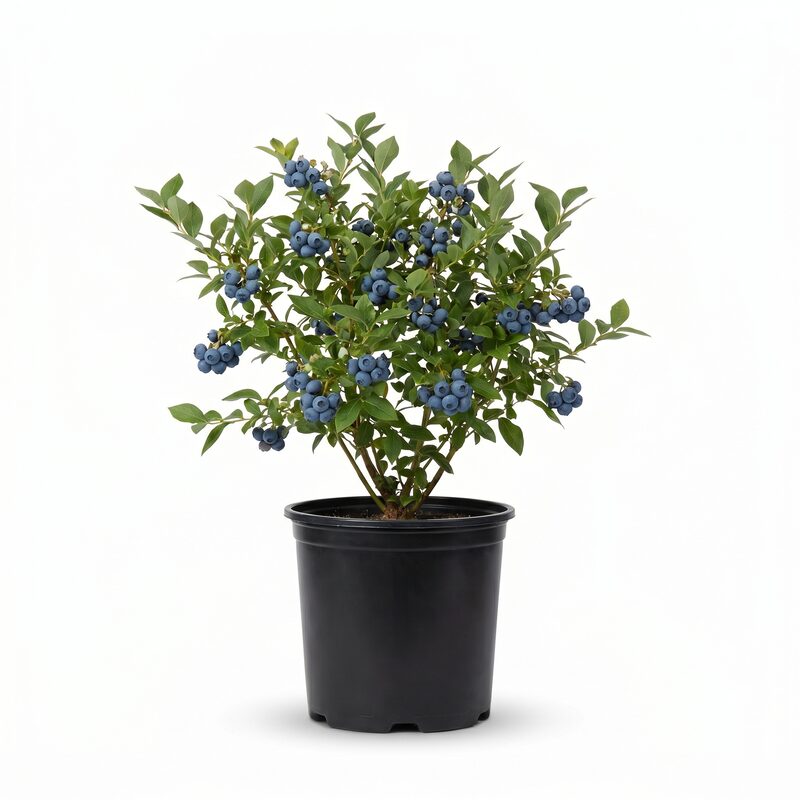
Premier Blueberry is a popular variety among gardeners due to its high yields and sweet-tasting berries. This variety is early ripening, producing fruit in late May and early June. Premier Blueberry plants are also disease resistant, making them a low-maintenance option for home gardeners. They prefer acidic, well-draining soil and full sun exposure. Overall, Premier Blueberry is a great choice for those wanting a productive and flavorful berry bush.
Related plants available in your area
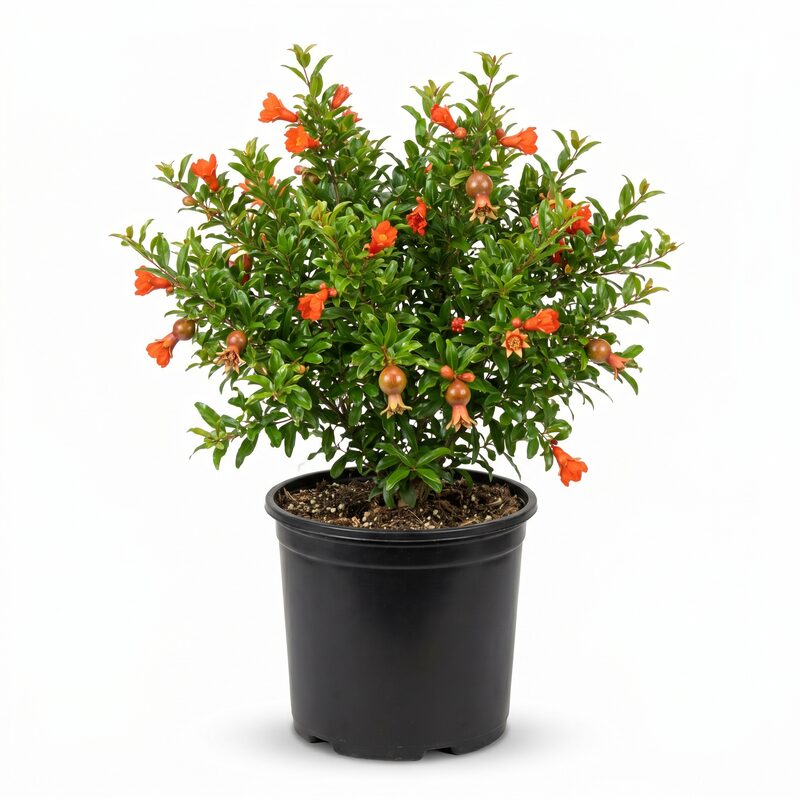
Dwarf Pomegranate
$79
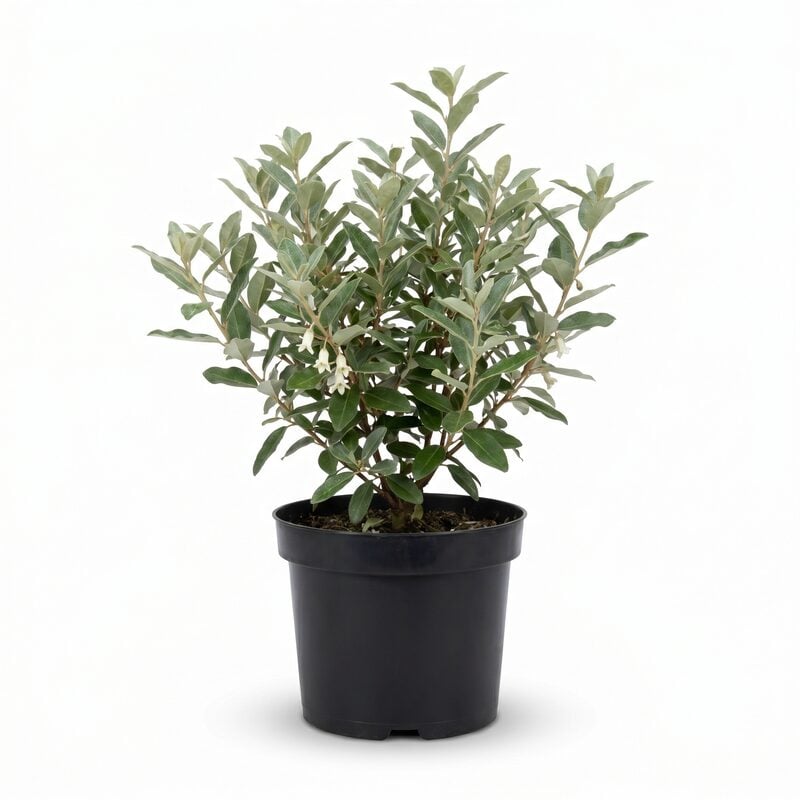
Eleagnus - Plant With Purpose
$75
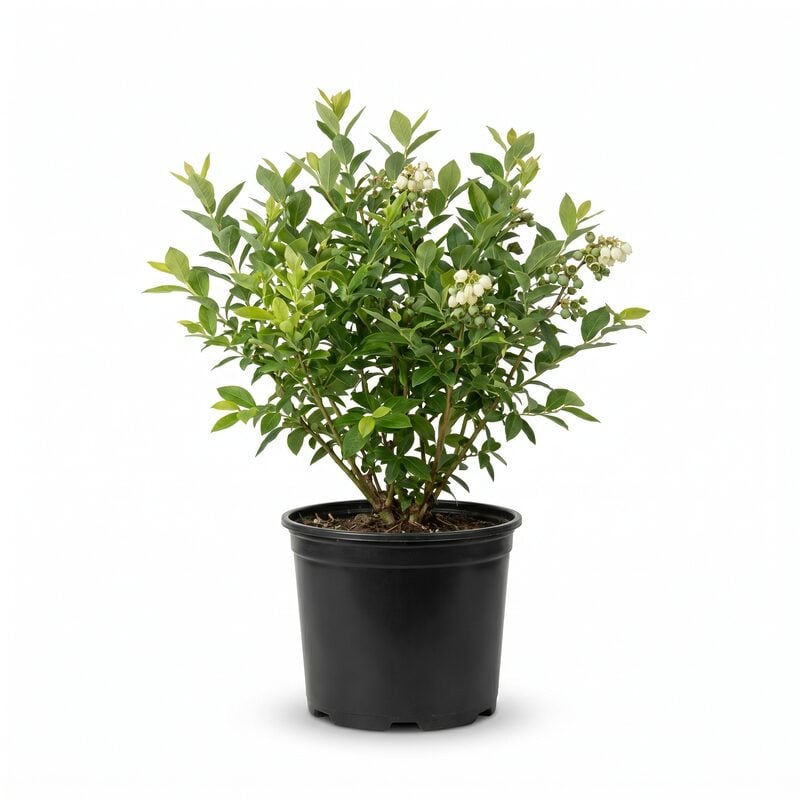
'Climax' Blueberry Plant
$112
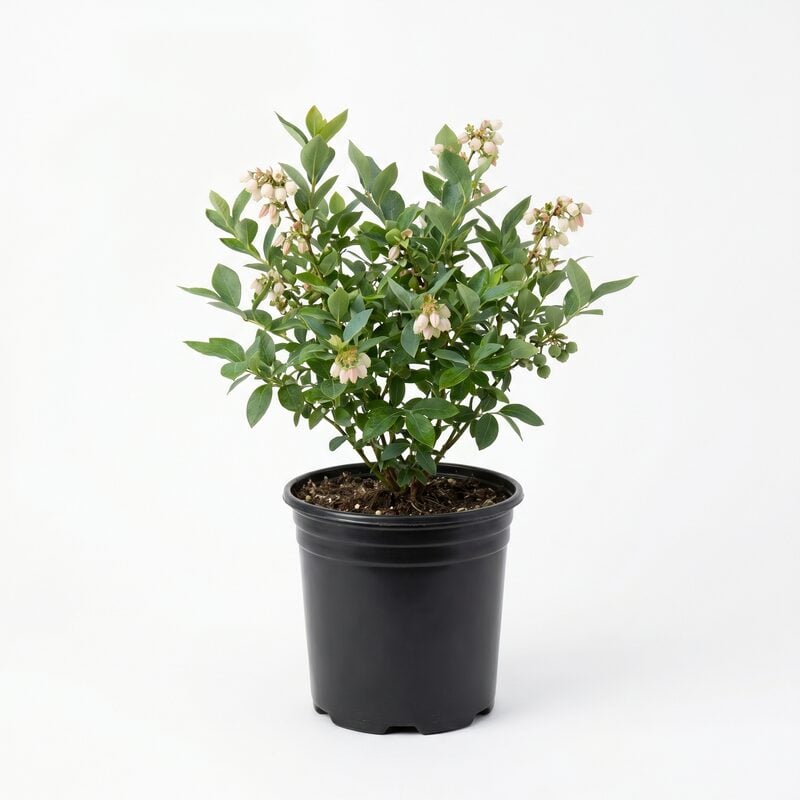
Bluberry 'Sunshine Blue'
$112
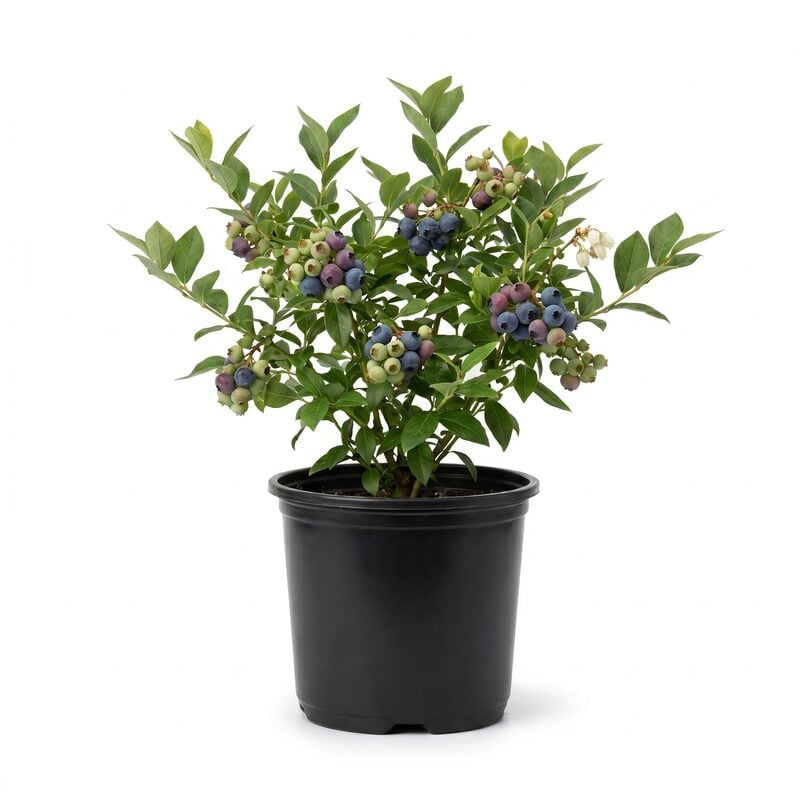
Blueberry 'Brightwell' - Plant With Purpose
$75
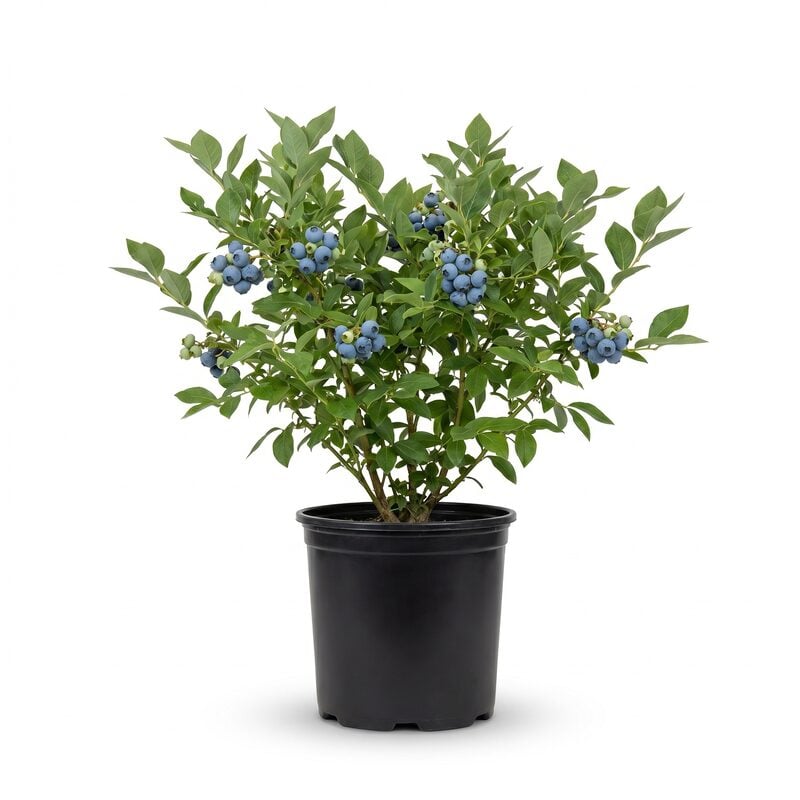
Blueberry 'Climax'
$75
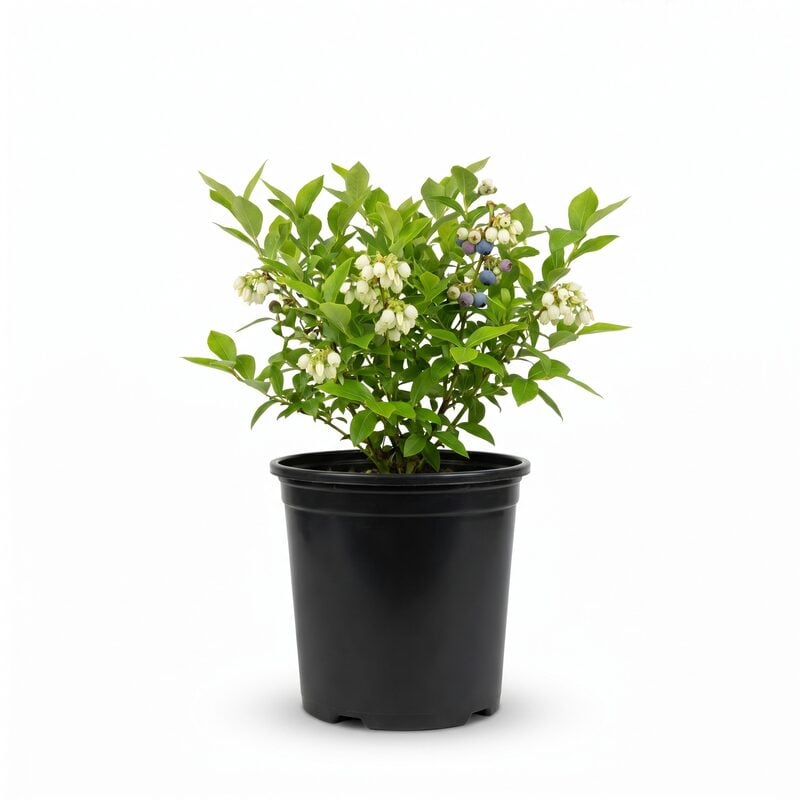
Blueberry 'Tift'
$75
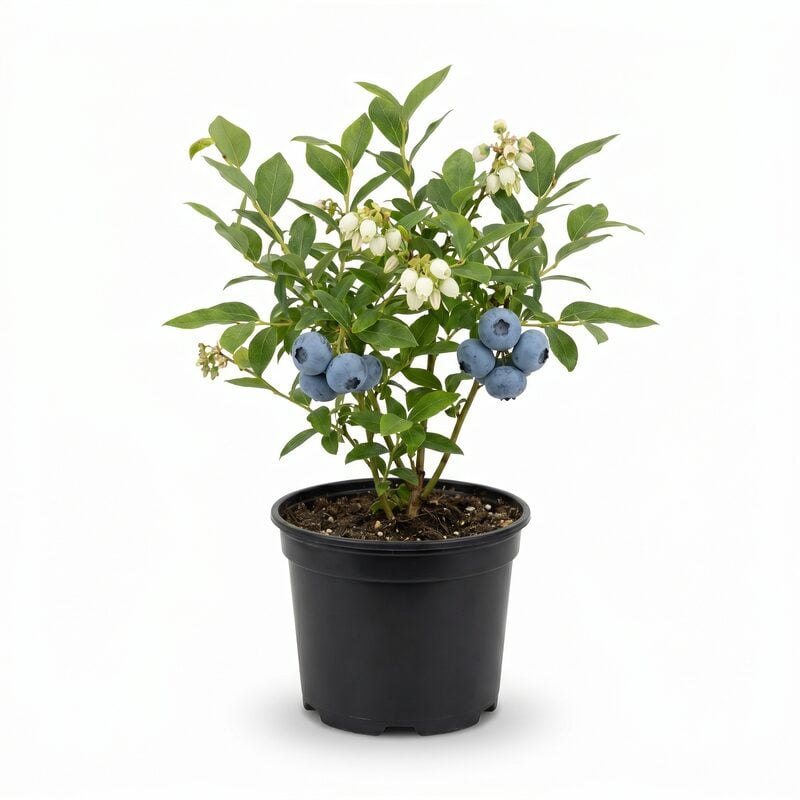
Blueberry Biloxi
$76
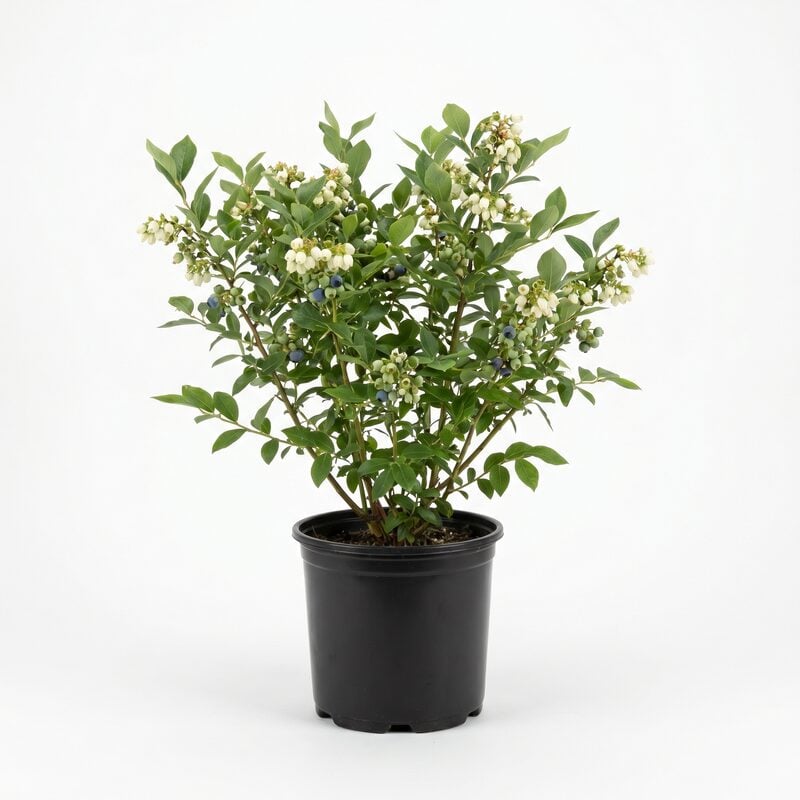
Blueberry Elliott
$68
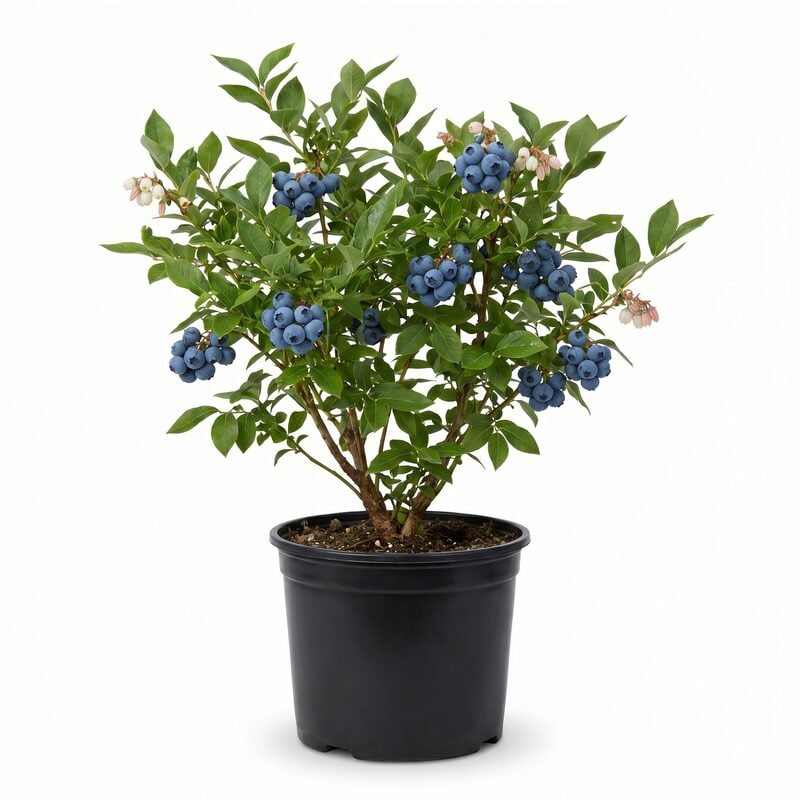
Blueberry Legacy
$68
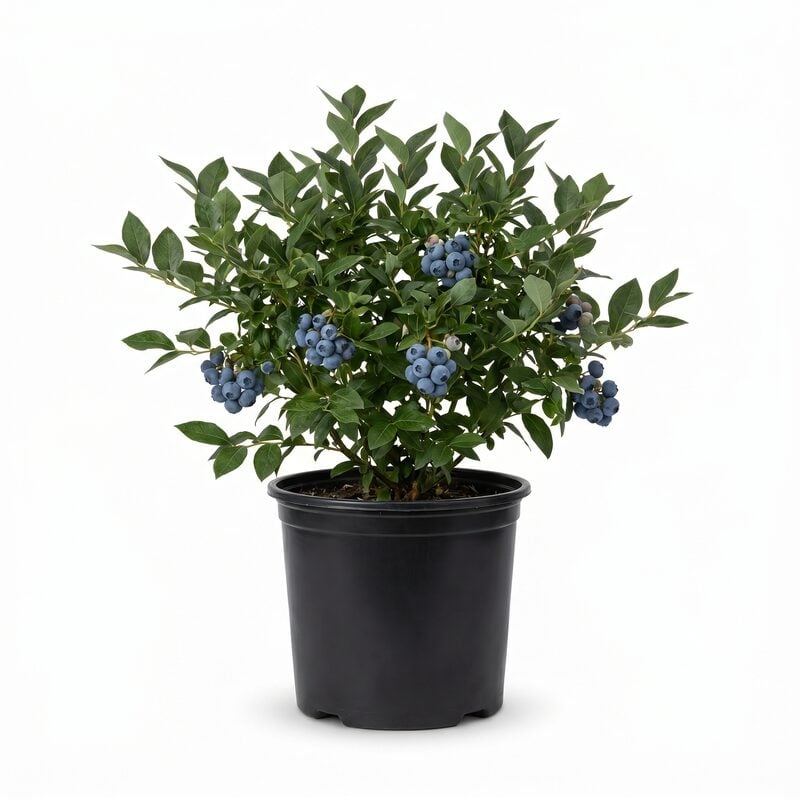
Bushel & Berry Midnight Cascade
$87
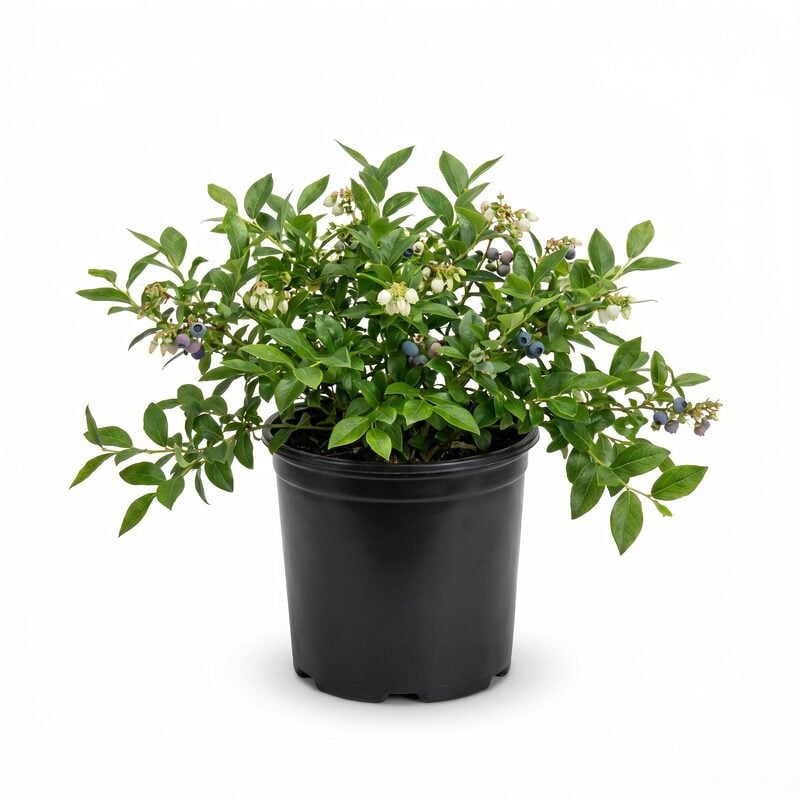
Bushel & Berry Sapphire Cascade
$87
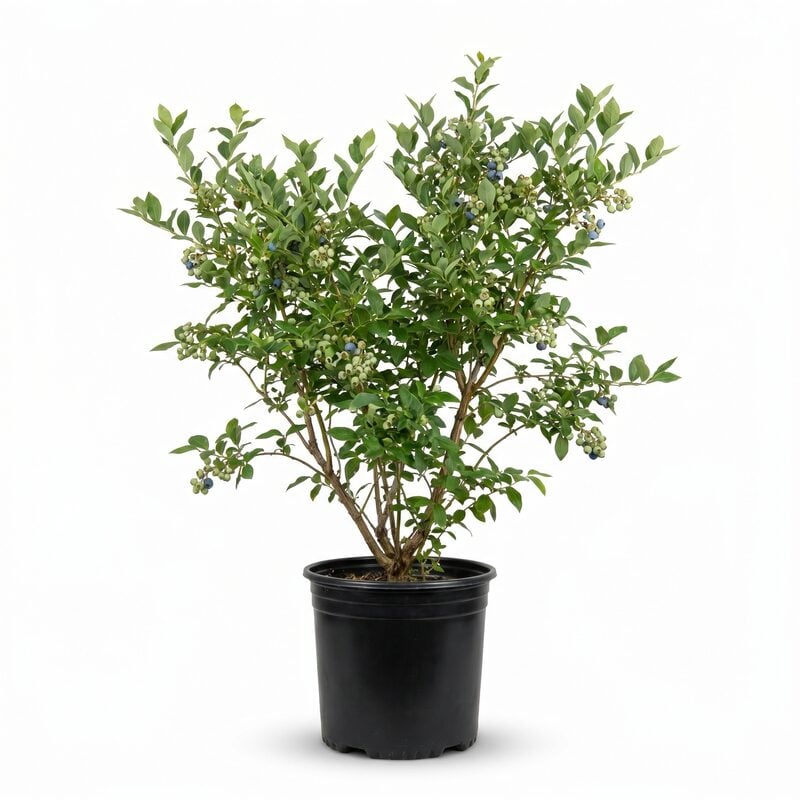
Tift Blue Blueberry
$112
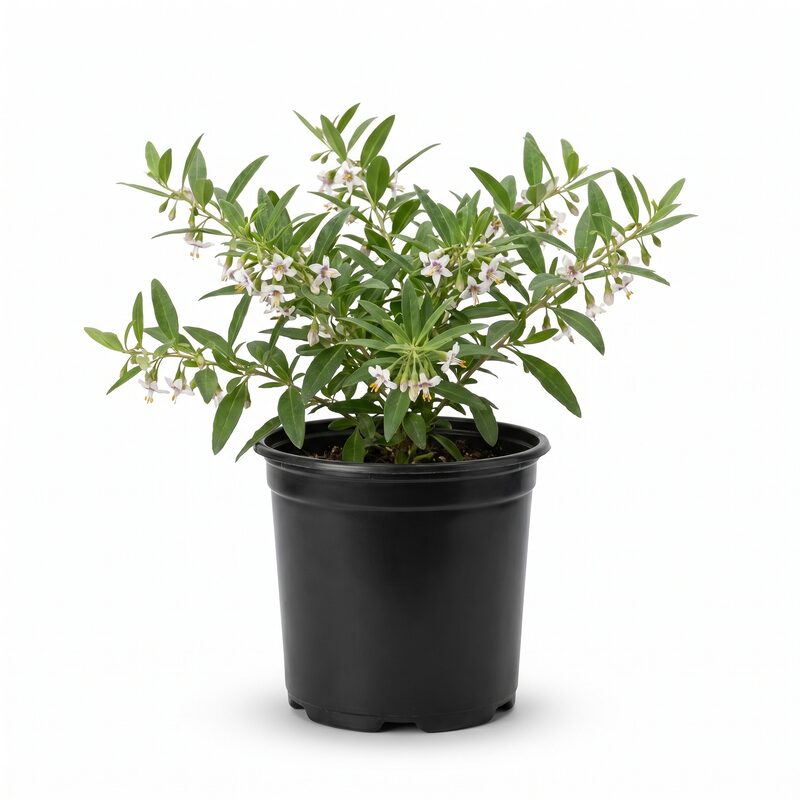
Gogi Berry Plant With White Blooms
$75
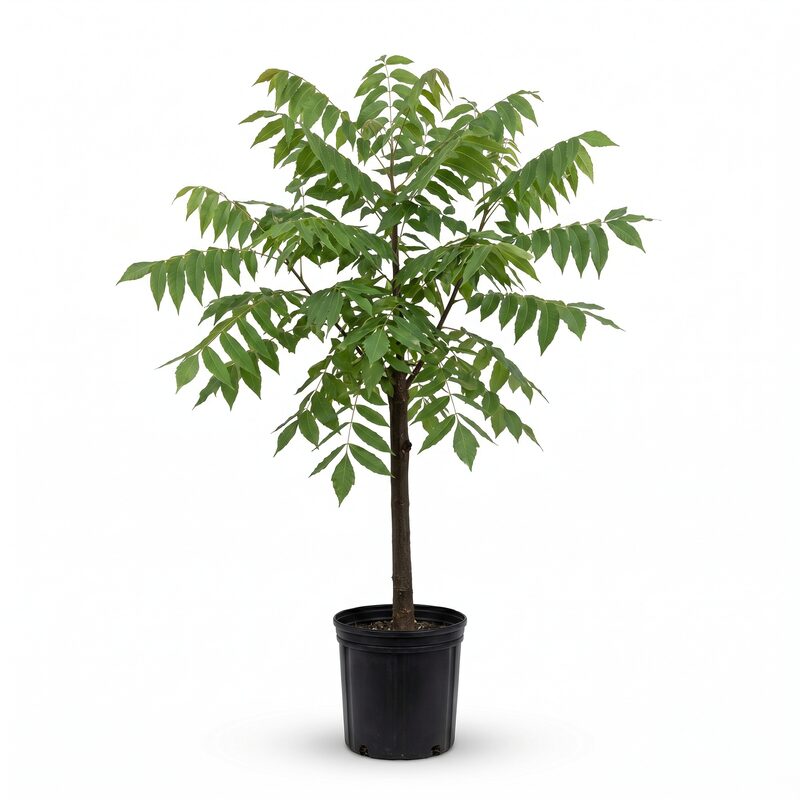
Native Pecan Tree
$112
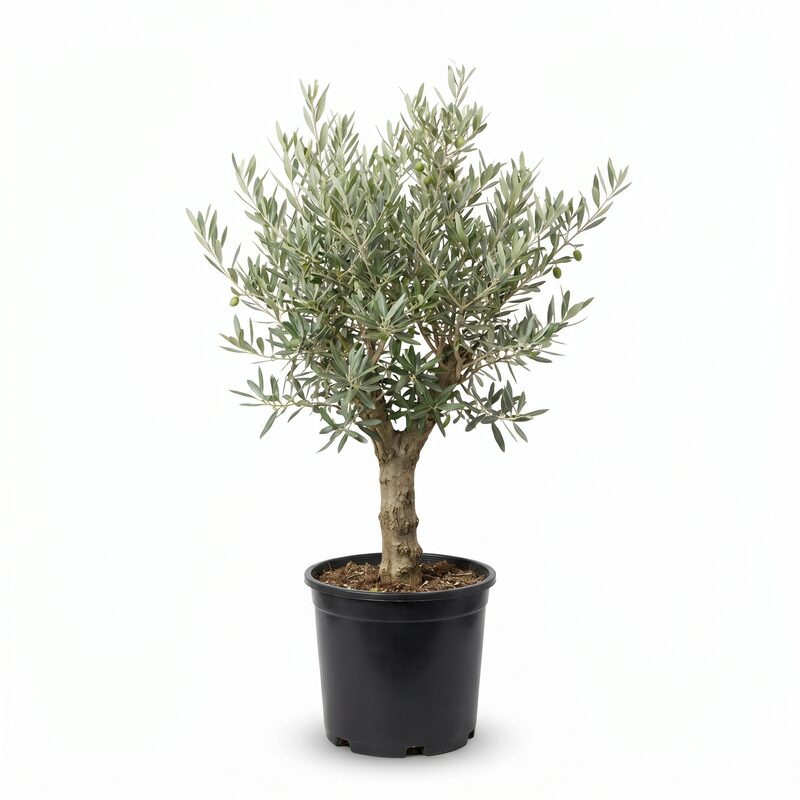
Olive Tree
$144
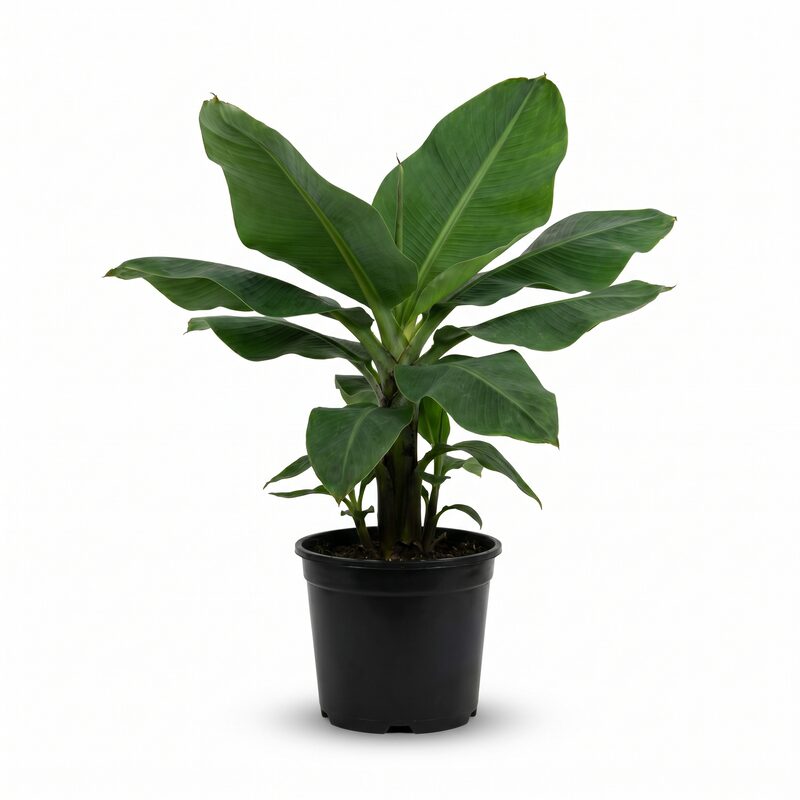
Truly Tiny Banana
$76
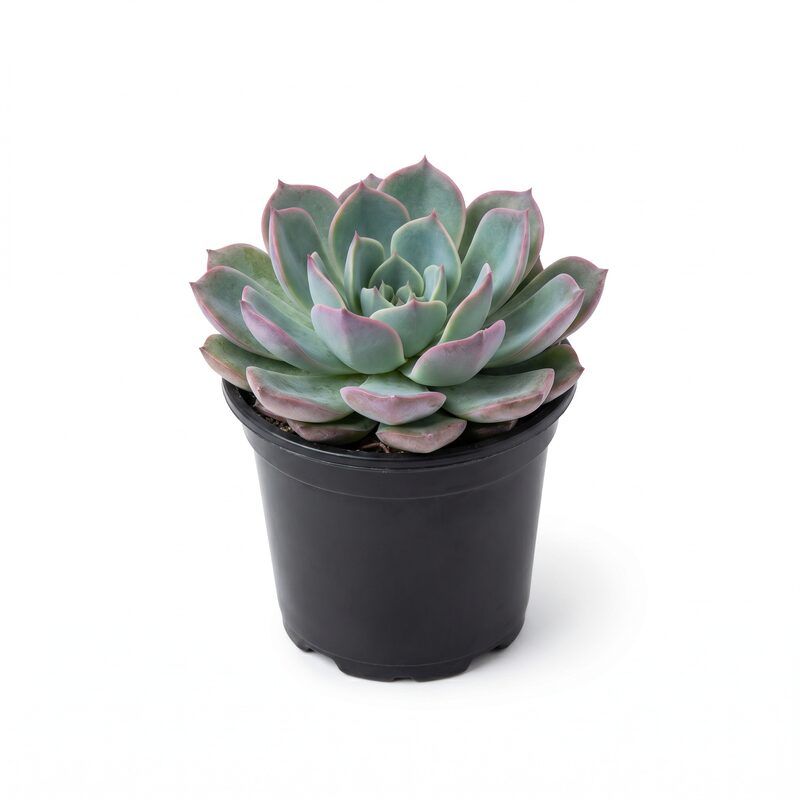
Echeveria Serrana
$101
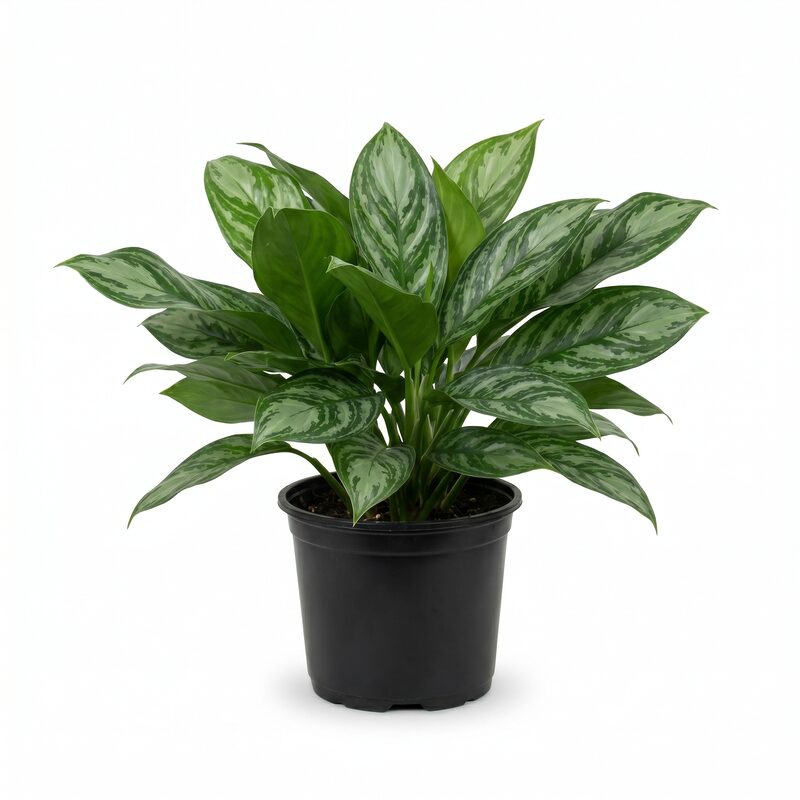
Aglaonema Maria
$64
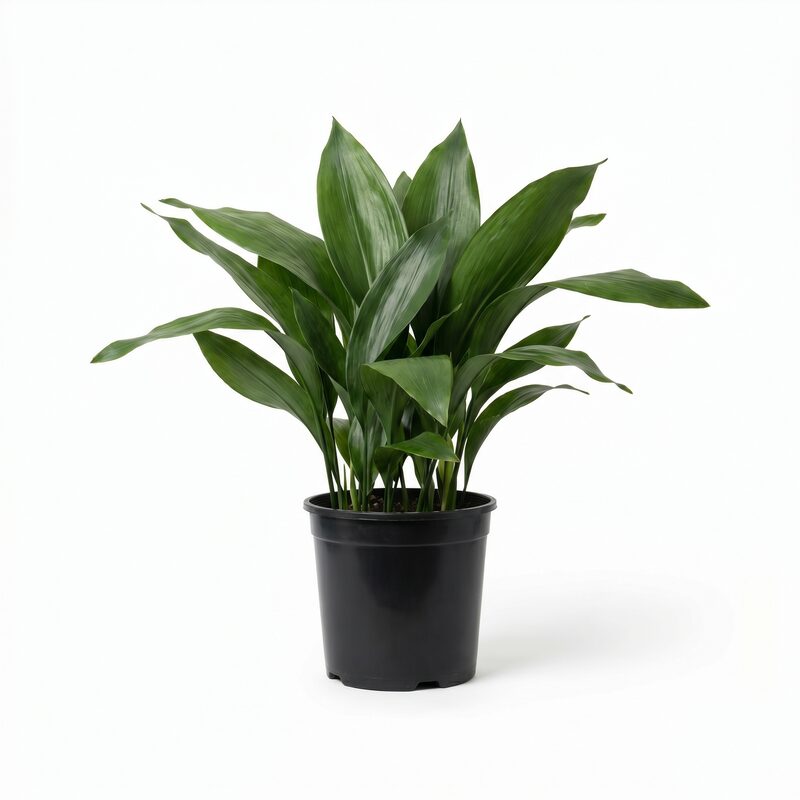
Aspadistra Cast Iron
$81

Sunlight
Premier Blueberry plants require full sun or at least six to eight hours of direct sunlight each day to grow and produce optimal fruit yields.

Watering
The watering requirement for the Premier Blueberry is consistent moisture, with regular watering especially during dry periods and when the fruit is developing.

Fertilizing
The fertilizer requirement for Premier Blueberry is high, with a focus on acidic, nitrogen-rich fertilizers to promote healthy growth and fruit production.
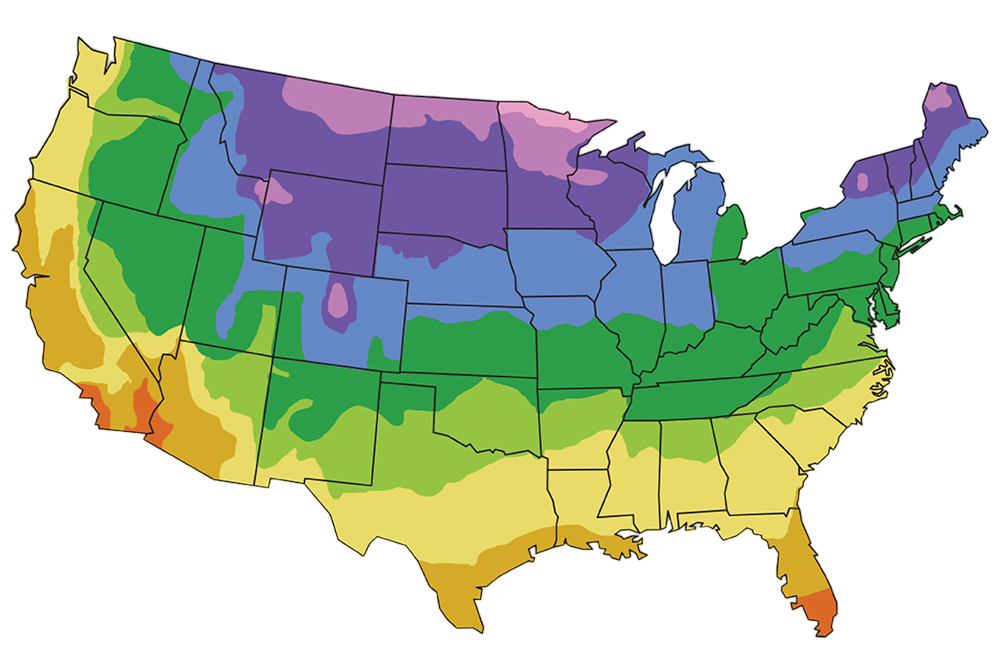
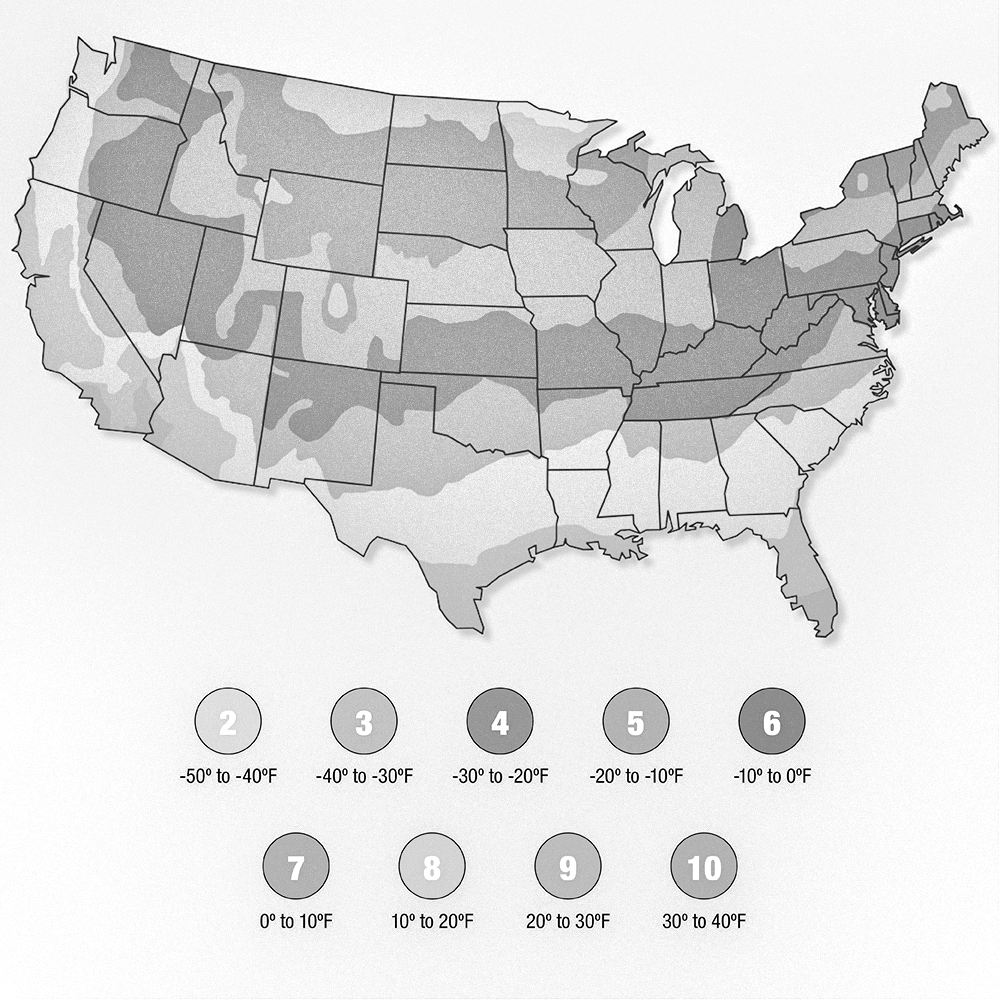
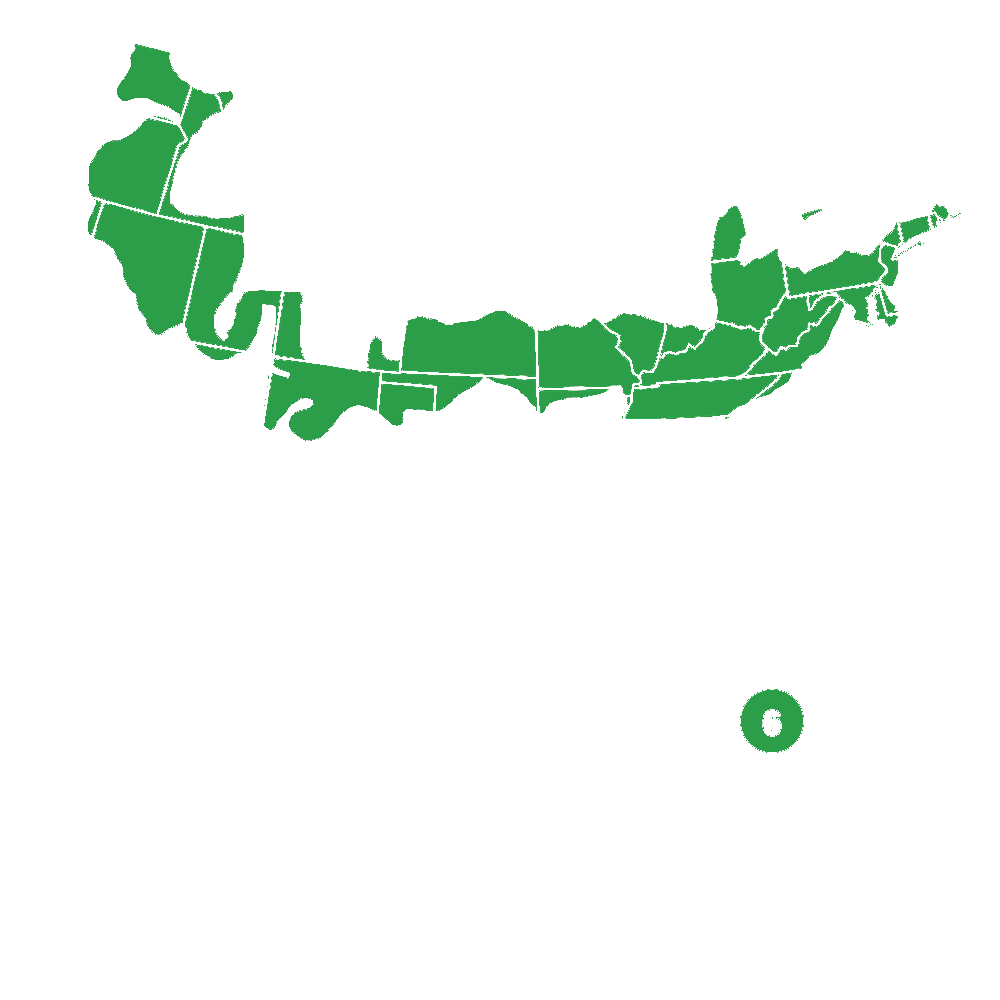
The Premier Blueberry - the epitome of sweet and succulent perfection in your backyard. Flourishing in a variety of climates, this remarkable plant thrives in USDA hardiness zones 4 to 8, bringing a taste of summer no matter where you call home. Prepare to indulge in a bounty of delicious blueberries with this exceptional variety.
Best used as a luscious hedge or in garden beds, the Premier Blueberry delights with its abundant clusters of plump, juicy berries that ripen to a deep blue hue. Imagine stepping out into your blueberry haven, with a landscape adorned in an edible masterpiece, sure to impress both your taste buds and your guests.
Fertilize this beauty in early spring with an acidic fertilizer to promote optimal growth and abundant yields of delectable blueberries. The Premier Blueberry thrives in well-drained, acidic soil, making it a perfect addition to both conventional and container gardening.
With minimal maintenance required, this plant is a gardener's dream come true. Simply prune any dead or diseased branches and enjoy the rewards of your efforts as the Premier Blueberry continues to produce its mouthwatering fruit year after year.
Enjoy the mouthwatering aesthetics of the Premier Blueberry and let its tantalizing berries take center stage in your garden. Watch as the landscape comes alive with vibrant blue hues, creating an irresistible sight and a tasty treat for your family and friends. Elevate your culinary endeavors and embrace the joy of growing your irresistible blueberries with the Premier Blueberry.
Plant Information:
| Botanical Name: | Vaccinium ashei 'Premier' |
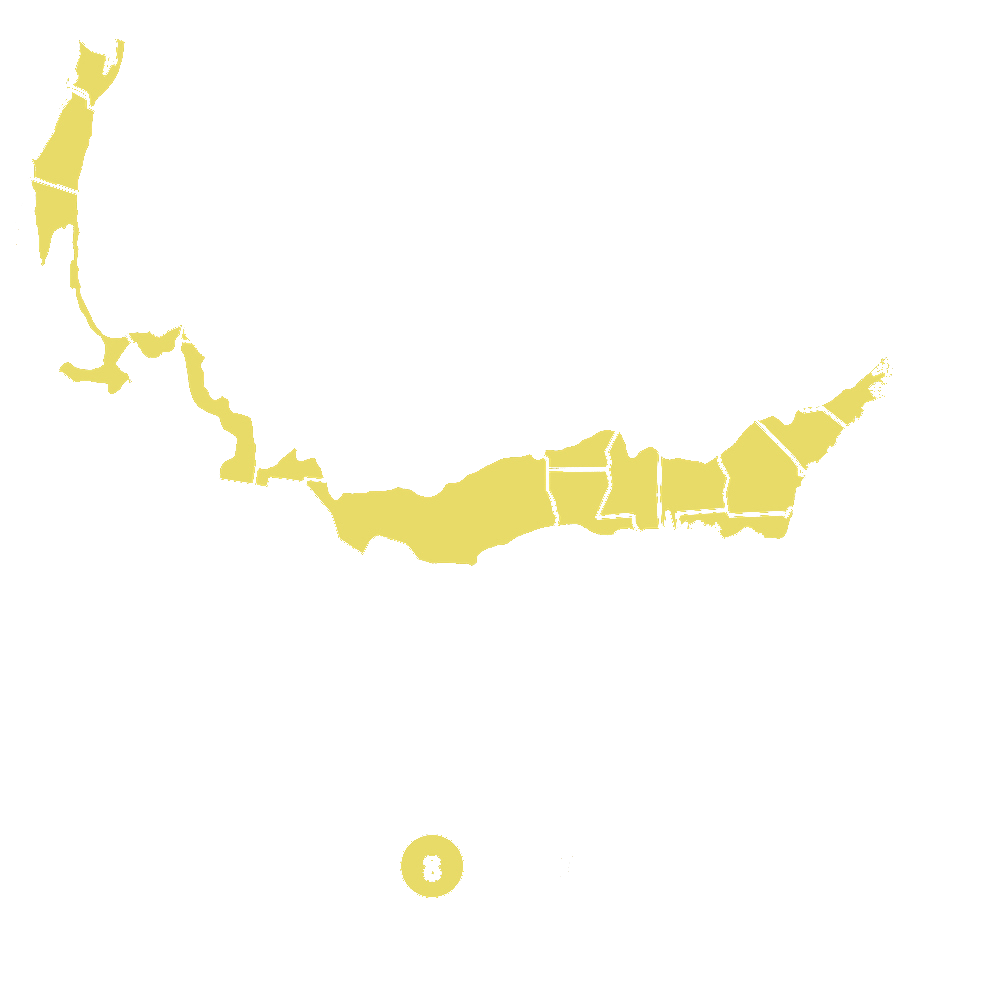
| USDA Zones: | 6 - 9 |
| Exposure: | Full Sun |
| Soil Needs: | Well drained |
| Mature Height: | 6 feet |
| Mature Spread: | 5 - 6 feet |


Pollination Info
Pollination Info for Premier Blueberry (Vaccinium ashei 'Premier')
Premier Blueberry is a self-fertile variety, which means it can produce fruit without cross-pollination with another blueberry plant. However, planting multiple blueberry cultivars can improve fruit set and yield. Cross-pollination with another blueberry variety can also increase the size and quality of the fruit.
The best pollinators for Premier Blueberry are other southern highbush varieties such as Gulf Coast, Jubilee, and O'Neal. Rabbiteye blueberry cultivars can also cross-pollinate with Premier Blueberry, but they have different bloom periods and may not be the best choice for consistent pollination.
The key to successful pollination is to plant two or more blueberry varieties that bloom at the same time. Blueberry flowers are self-sterile, which means the pollen from one flower cannot fertilize the same flower or another flower on the same plant. Cross-pollination from a different plant is necessary to produce fruit.
Pollinators such as bees, bumblebees, and other insects are essential for transferring pollen between flowers. Providing habitat for these beneficial insects can increase pollination and fruit set in your blueberry plants. Native flowering plants, shrubs, and trees can provide a food source and shelter for pollinators throughout the growing season.
FAQ
Frequently Asked Questions About Premier Blueberry (Vaccinium ashei 'Premier')
What is Premier Blueberry?
Premier Blueberry is a variety of southern highbush blueberry (Vaccinium ashei) that produces large, sweet, and flavorful berries. It grows as a deciduous shrub and can reach a height of 6-8 feet.
What are the ideal growing conditions for Premier Blueberry?
Premier Blueberry prefers full sun to partial shade and well-draining, acidic soil with a pH between 4.5 and 5.5. It also requires consistent moisture, so it's important to keep the soil moist but not waterlogged.
When does Premier Blueberry produce fruit?
Premier Blueberry typically produces fruit in midseason, typically in late May or early June, depending on the climate and growing conditions. The berries are ready to harvest when they turn blue and are slightly soft to the touch.
How do I prune Premier Blueberry?
Pruning is important for maintaining the health and productivity of Premier Blueberry. The best time to prune is in late winter or early spring before the leaves emerge. Remove any dead or diseased wood, as well as any branches that are crossing each other or growing towards the center of the plant. Leave about 4-6 of the strongest, healthiest branches to form the framework of the bush.
How do I fertilize Premier Blueberry?
Blueberries have specific nutritional needs, so it's important to use a fertilizer formulated for acid-loving plants. Apply a balanced fertilizer before new growth begins in late winter or early spring, and then apply a nitrogen-rich fertilizer again after the fruit has been harvested.
Can I grow Premier Blueberry in a container?
Yes, Premier Blueberry can be grown in a container as long as the container is large enough to accommodate the root system and the soil is well-draining and acidic. Containers should be at least 18 inches in diameter and 12 inches deep.
How do I protect Premier Blueberry from pests and diseases?
Blueberries are susceptible to a variety of pests and diseases, including birds, mites, fruit flies, and fungal diseases such as powdery mildew and anthracnose. To protect your Premier Blueberry, cover the bushes with netting to keep birds and insects away, and keep the area around the bush free of fallen leaves and debris to prevent the buildup of fungal spores.
Planting & Care
Planting Premier Blueberry (Vaccinium ashei 'Premier')
Choose a planting location with well-draining soil and full sun exposure.
Dig a hole twice the size of the root ball and amend the soil with peat moss or acid compost.
Remove the plant from its container and loosen the roots. Place the plant in the hole and backfill with soil, making sure to tamp down firmly around the roots.
Water the plant thoroughly after planting and keep the soil moist but not waterlogged.
Caring for Premier Blueberry (Vaccinium ashei 'Premier')
Water: Blueberries need consistent moisture, especially during the growing season. Water deeply once a week during dry spells, and spread a layer of mulch around the base of the plant to help retain moisture.
Fertilizer: Fertilize in spring with a balanced, granular fertilizer or a fertilizer formulated specifically for blueberries. Apply as directed on the package label.
Pruning: Blueberries require minimal pruning, but it is recommended to remove any damaged or diseased wood and thin out older canes to promote new growth.
Pest control: Keep an eye out for pests such as spider mites, aphids, and fruit flies. Consider using organic insecticide sprays or sticky traps to control pests.
Harvesting: Premier Blueberries are ready to harvest when they turn dark blue and are easily picked from the bush. This usually occurs in mid to late summer.
Item has been added to your cart.